WhatsApp Image 2026-04-15 at 10.57.35 PM (13)

King Faisal Prize 2026 Honors Sheikh Abdullatif Al Fozan, Professor Mohamed Aboumousa, and Leading Figures in Islamic Studies, Medicine, and Science

The Landmark 48th Session of the Prize Comes as the King Faisal Foundation Marks 50 Years of Impact


Riyadh, April 15, 2026

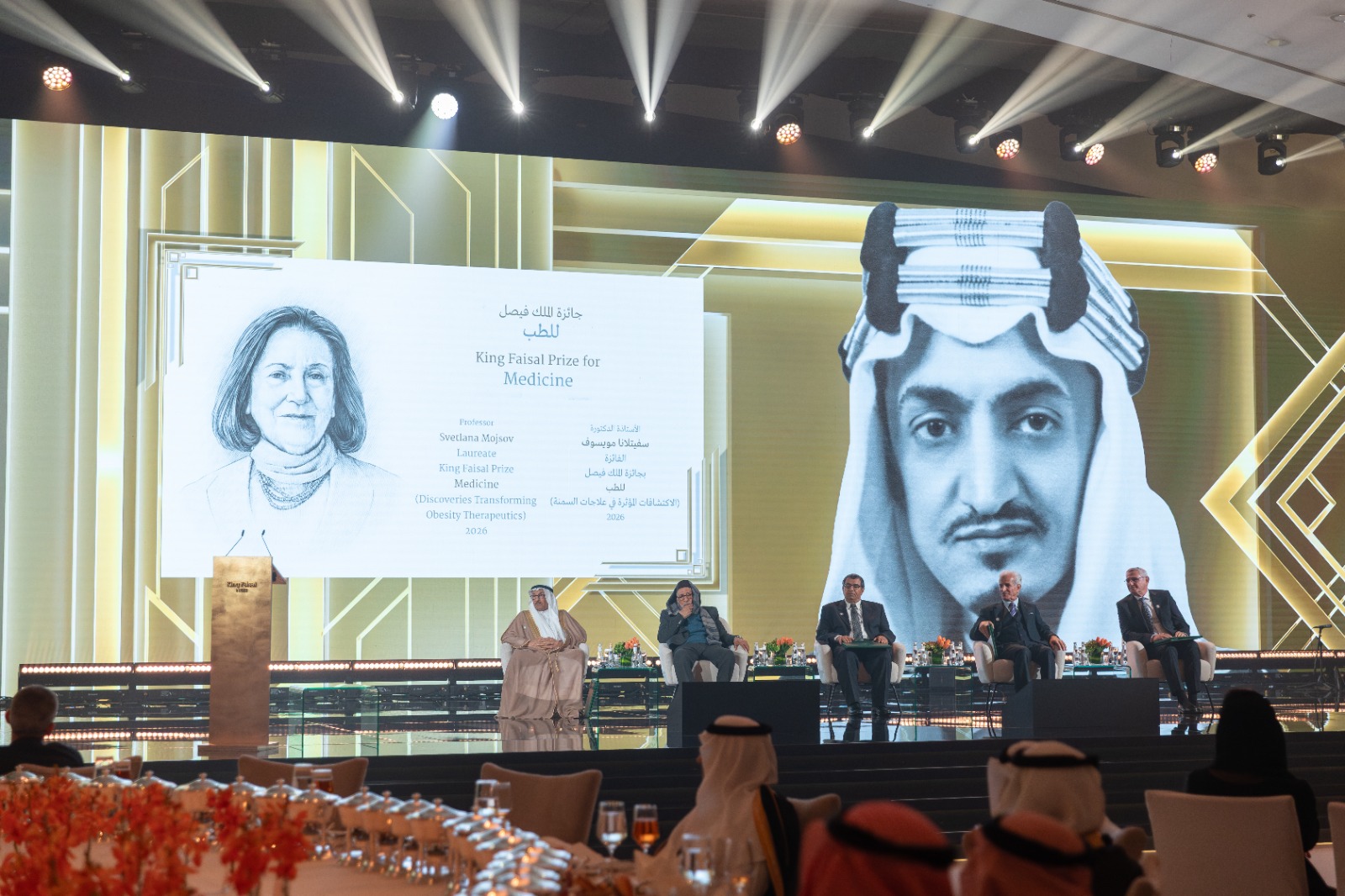
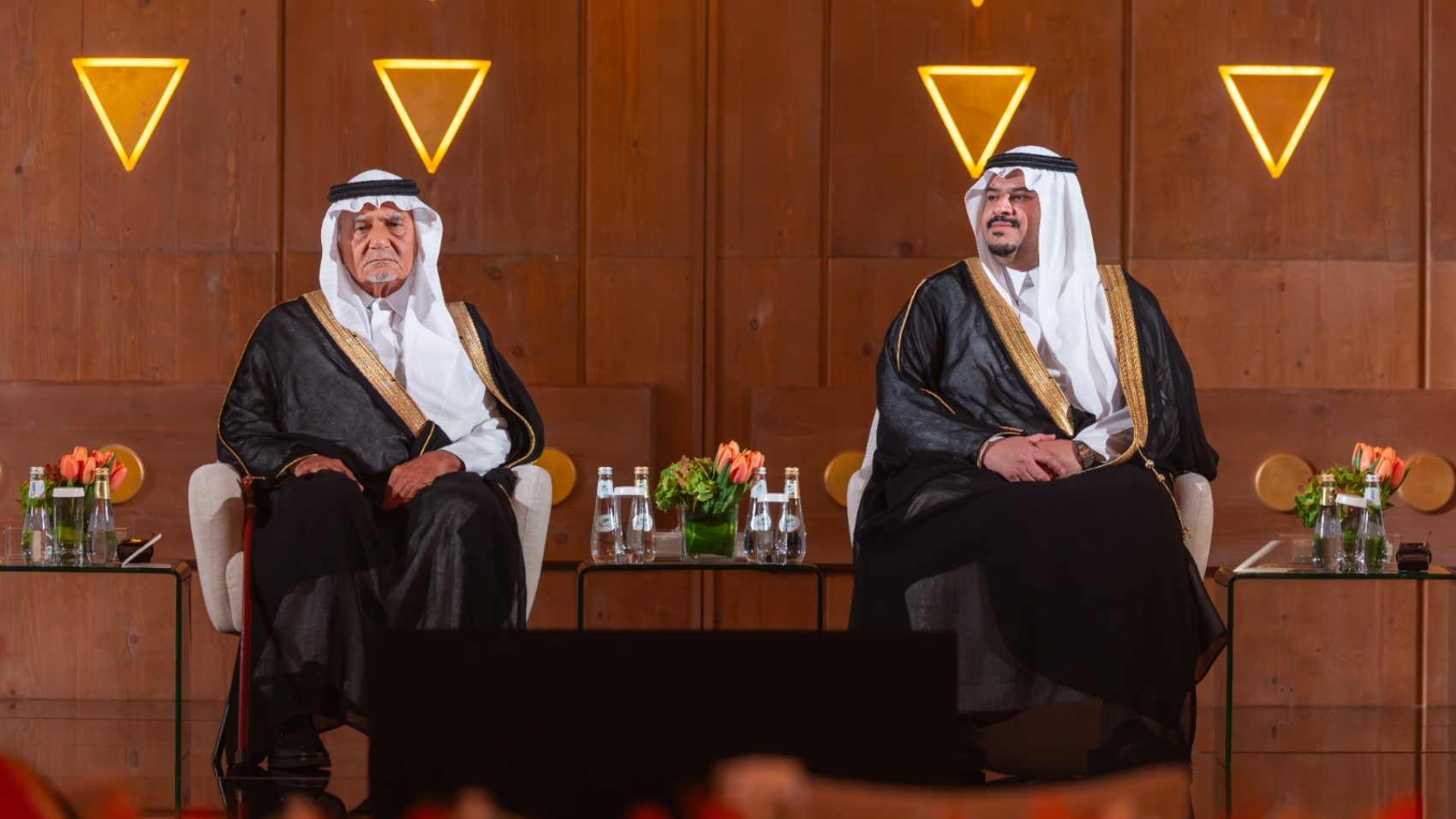
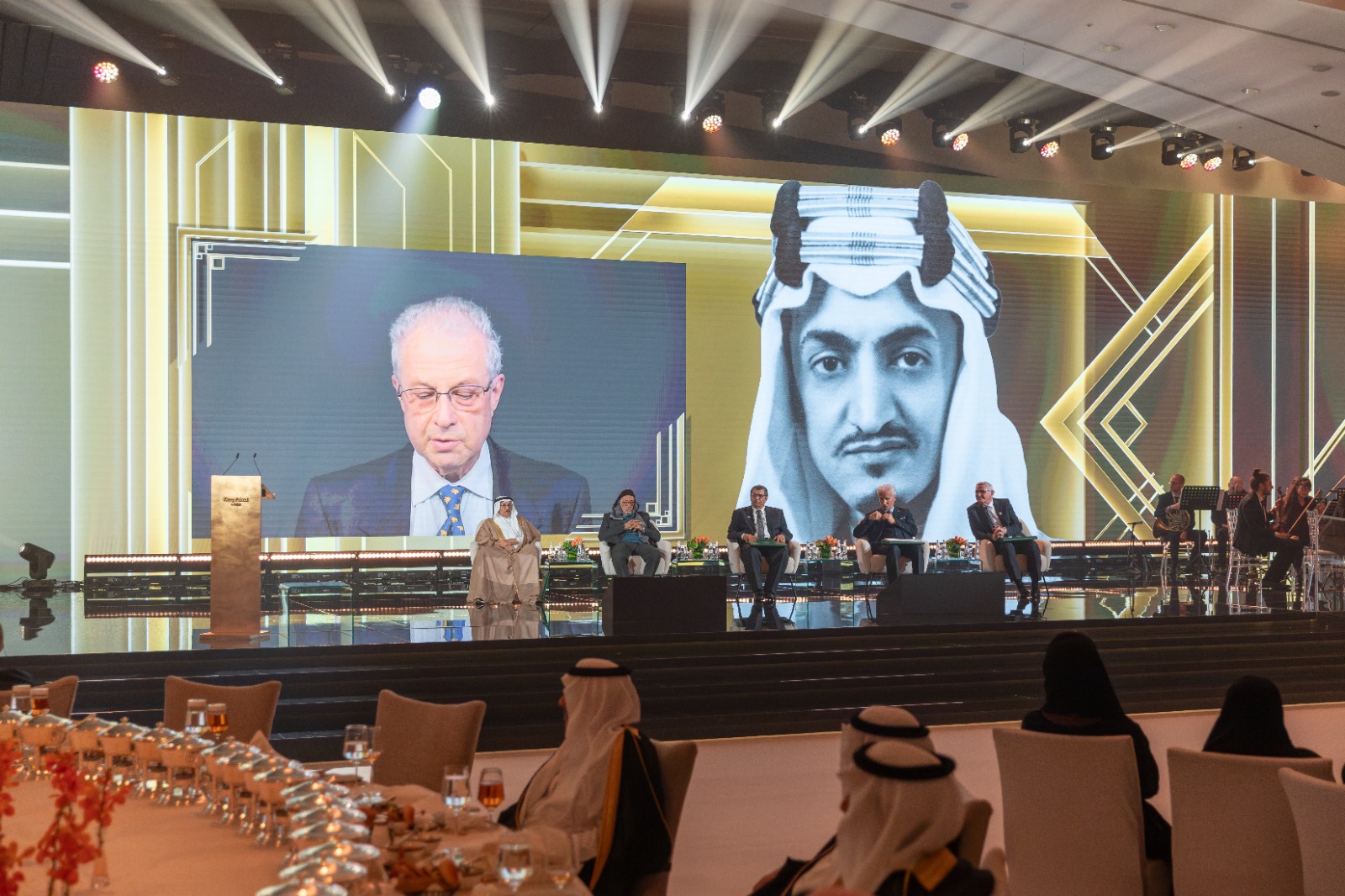
Held under the patronage of the Custodian of the Two Holy Mosques King Salman bin Abdulaziz, and attended by HRH Prince Mohammed bin Abdulrahman bin Abdulaziz, Deputy Governor of the Riyadh Region, HRH Prince Turki Alfaisal, Acting Chairman of the Board of Trustees of King Faisal Foundation, and King Faisal Prize Secretary General Dr. Abdulaziz Alsebail took the stage on the evening of April 15 to honor the laureates of the King Faisal Prize’s 48th session — a celebration of minds whose work echoed far beyond the walls of their laboratories and lecture halls. The ceremony this year is coinciding with a landmark milestone: the 50th anniversary of the King Faisal Foundation, established in 1976 and launching its Prize in 1979.

Service to Islam Prize: Where Entrepreneurship, Philanthropy, and Scholarship Converge

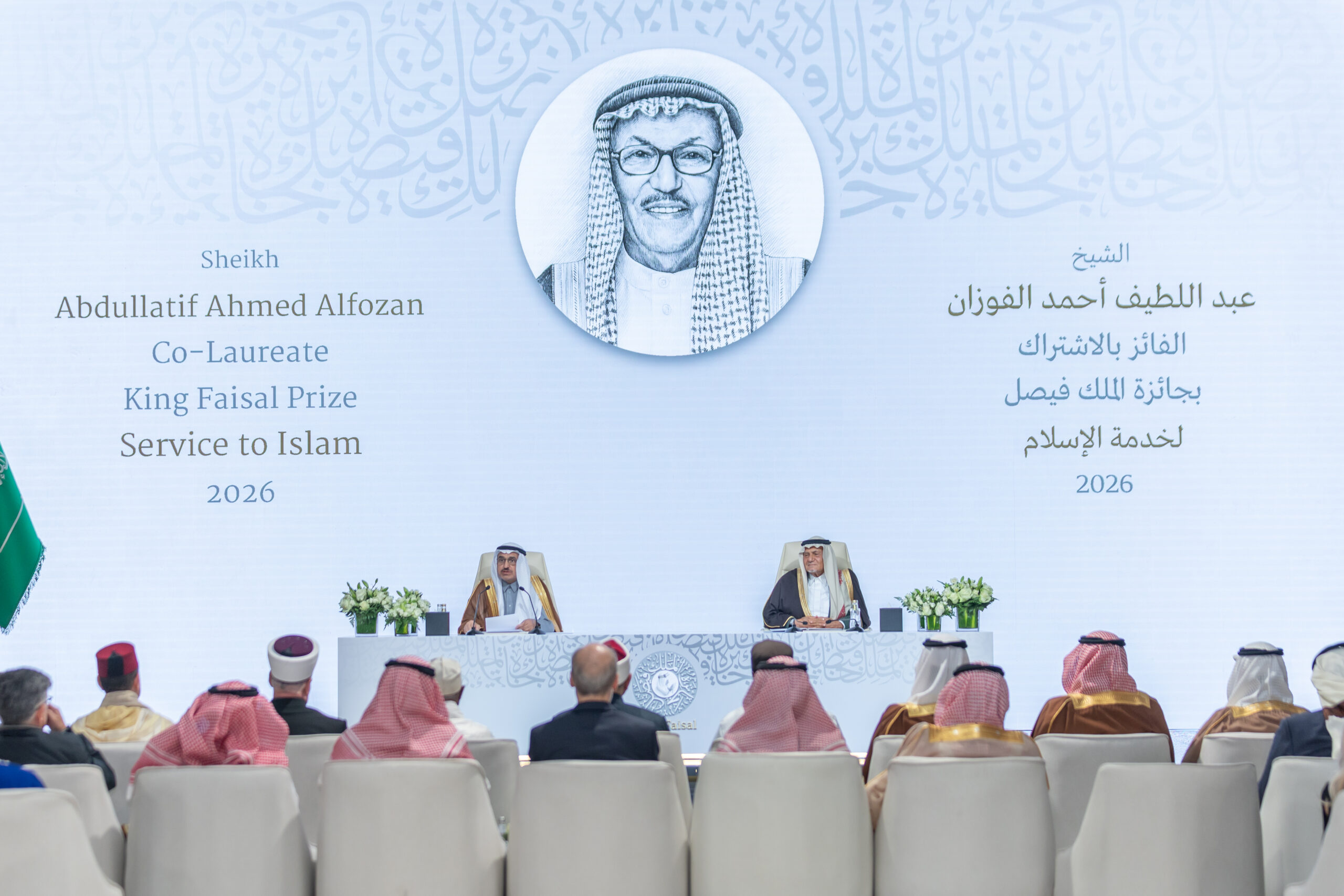
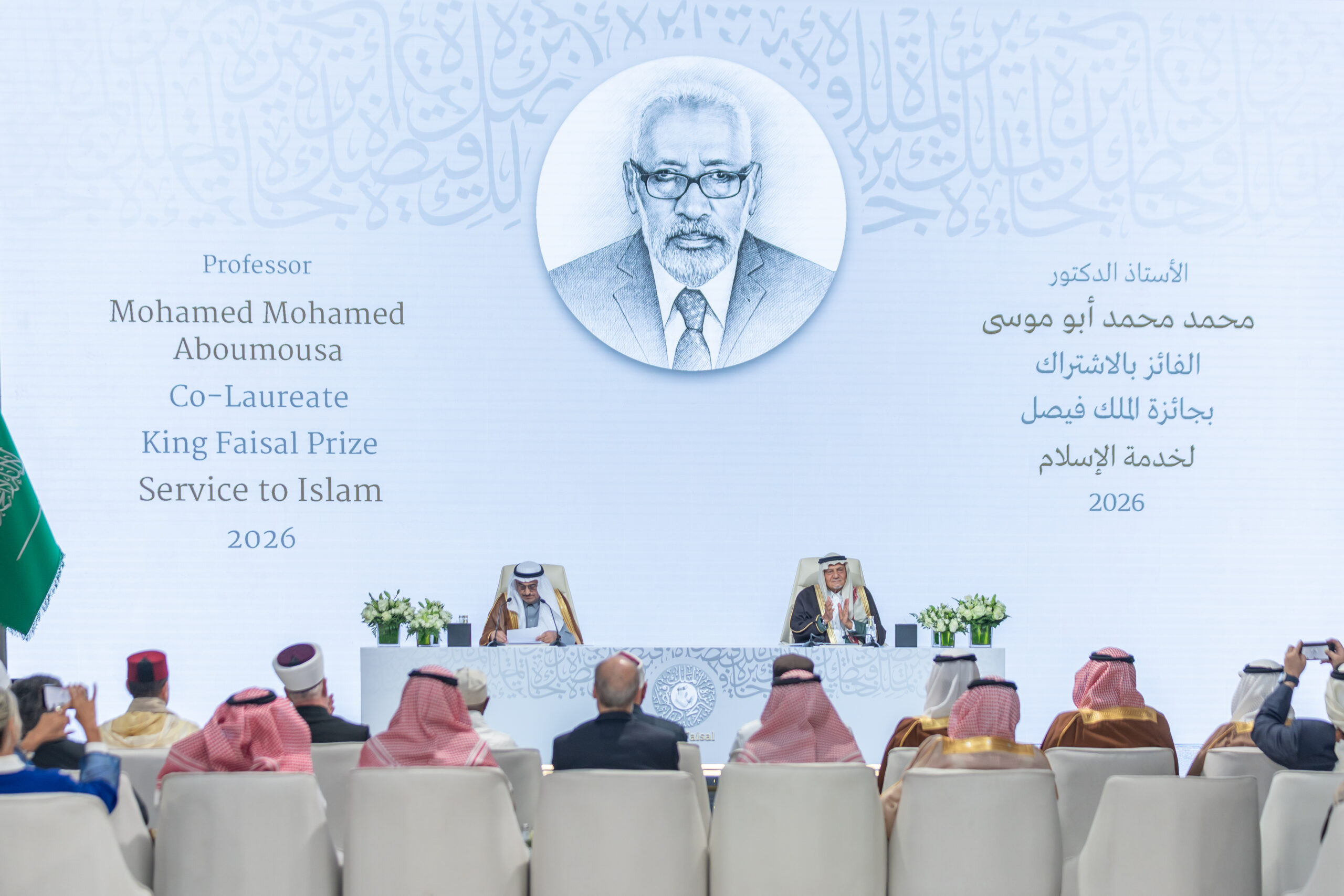
The Service to Islam Prize was jointly awarded to Sheikh Abdullatif bin Ahmed Alfozan and Professor Mohamed Mohamed Aboumousa.

Sheikh Abdullatif Alfozan, one of Saudi Arabia’s most prominent figures in business and social development, was recognized for his pioneering contributions to institutional philanthropy. His journey began with the founding of Abdullatif and Mohammed Alfozan Company with his brother, which later expanded into more than 40 companies across various sectors.

He also launched and supported numerous impactful initiatives serving Muslim communities, including the establishment of Islamic centers, mosques, and educational projects, as well as programs aimed at strengthening the nonprofit sector. Among his notable contributions are the “Ajwad Endowment” and Alfozan Community Service Program, which has benefited over one million people.

His work extended to education, healthcare, and urban development through initiatives such as Al Fozan Academy, Afaq Autism Center, and the Abdullatif Alfozan Global Award for Mosque Architecture, in addition to housing and environmental projects. His humanitarian efforts also reached beyond Saudi Arabia through mosque construction, well-digging, education support, and relief initiatives. Sheikh Abdullatif Alfozan has been widely recognized at the Arab and international levels, receiving an honorary award from The World Peace and Prosperity Foundation at the British Parliament in 2017, and being selected among the most influential Arab figures in social responsibility in 2020.  In his speech, he stated: “Commercial establishments are a means, not an end, and a path to serving Islam, building homelands, and ensuring human prosperity. True loyalty requires that giving become a deeply rooted principle and a constant endeavor through which we seek divine reward and strive to leave a meaningful impact.”

Professor Mohamed Aboumousa, a founding member of the Council of Senior Scholars at Al-Azhar since 2012, was honored for his extensive scholarly contributions to Arabic language and rhetoric, particularly in exploring the rhetorical inimitability of the Qur’an and Prophetic traditions. He has authored more than 30 books on rhetoric, literary analysis, and heritage studies, many of which have become essential references for researchers. His academic career includes teaching, supervising, and mentoring generations of students, alongside active participation in international conferences and hundreds of scholarly sessions at Al-Azhar Mosque.

Professor Aboumousa has held a scholarly teaching circle at Al-Azhar since 2014, in which he teaches the two most important books in Arabic rhetoric, Secrets of Eloquence and Proofs of Inimitability by Imam Abd Al-Qahir Al-Jurjani. The number of these circles has reached nearly 300. In recognition of his scholarly work, 15 theses and academic studies have been written to examine his intellectual contributions. A commemorative volume was published containing 20 articles and thematic studies about his work. A section of his biography was included in Arabic rhetoric textbooks for secondary level schools. He was selected among the top 10 figures in the Arab and Islamic world in terms of scholarly contribution to be honored in the inaugural session of the Doha Arab Book Award in 2024. In his speech, he said: “All deeds are alike in form; what truly counts is the quality of excellence. Allah has honored you by making you among the finest leaders of the finest ummah brought forth for humankind, and He has granted you a clear understanding of what produces such a community that is knowledge, excellence, mastery of one’s work, full dedication to it, and love for caring for its people.”

Islamic Studies Prize: “Trade Routes in the Islamic World” Between the Depth of History and the Precision of Fieldwork

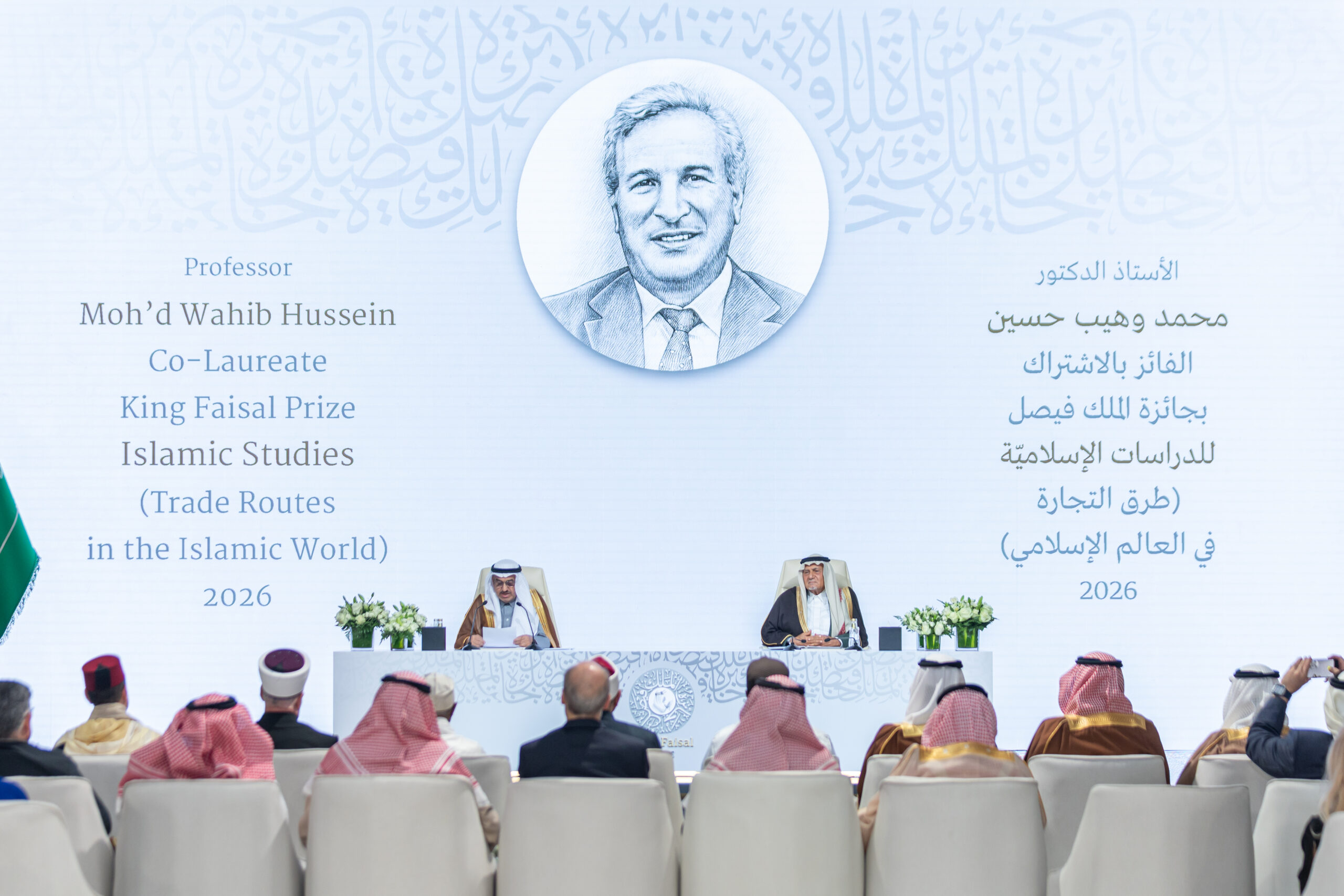
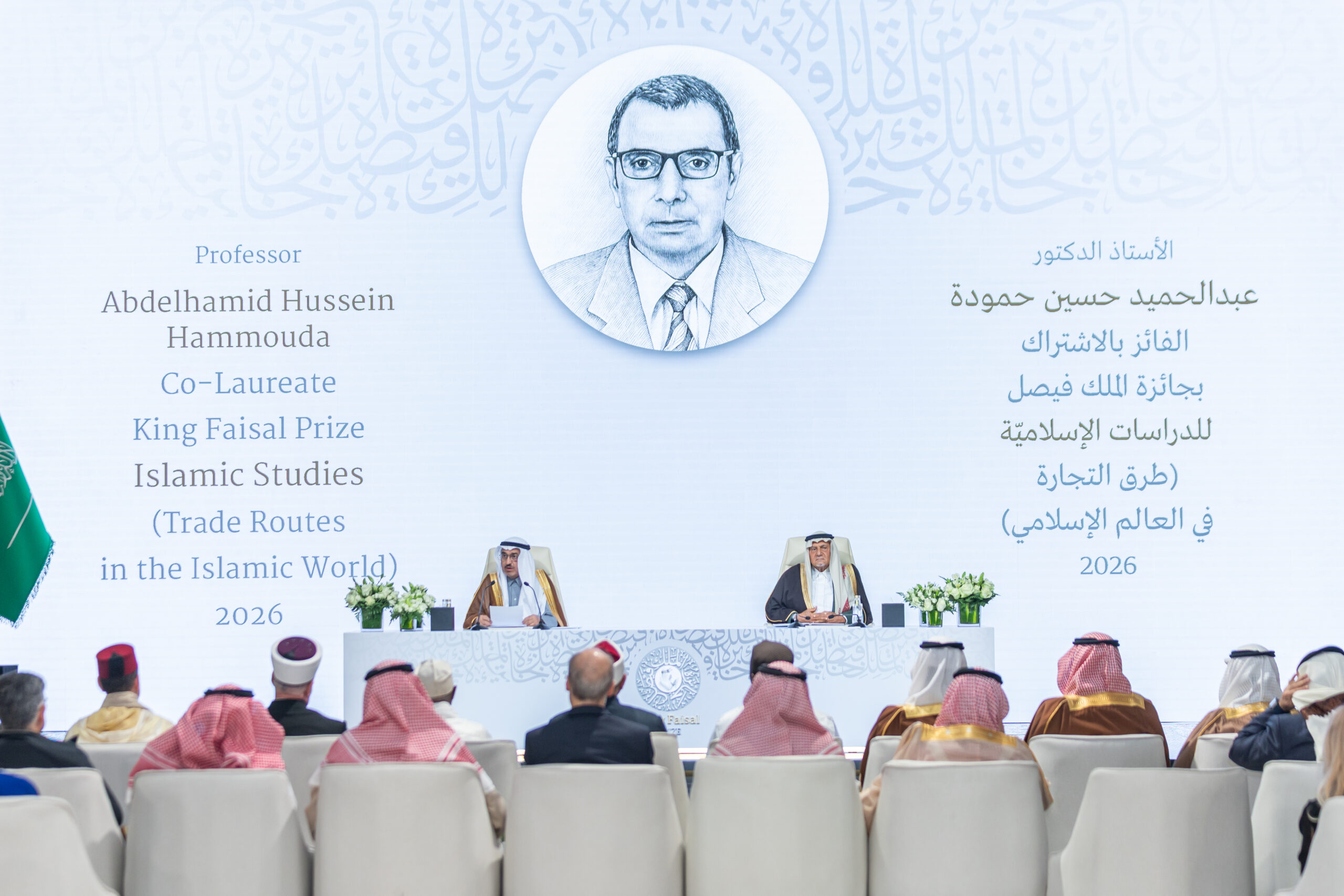
The Islamic Studies Prize, dedicated this year to “Trade Routes in the Islamic World,” was awarded to Professors Abdelhamid Hussein Hammouda and Moh’d Wahib Hussein.

Professor Abdelhamid Hussein Hammouda was recognized for his comprehensive and analytically rigorous scholarship on overland and maritime trade routes across the Islamic world, offering a cohesive historical understanding that serves as a key reference for both specialized research and broader knowledge.

He completed his Ph.D. in Islamic history at the Faculty of Arts, Minia University. He held several administrative positions within the university, including Head of the History Department in both the Faculties of Education and Arts from 2003 until 2006, Vice Dean of the Faculty of Arts for Post-Graduate Studies and Research in 2009, and Dean of the Faculty of Arts from 2011 until 2018. He also supervised the Departments of English, Chinese, Libraries, and Information Systems. Professor Hammouda authored several encyclopedias, including The Encyclopedia of the History of Islamic States in the East, in ten volumes; The Encyclopedia of the Early Islamic Period and Its Civilization, in six volumes; and The Encyclopedia of Trade Routes in the Islamic World, in five volumes. There is a fourth encyclopedia that is currently in press. He also authored around sixteen books on various fields of Islamic history and Islamic civilization that were all published in Cairo. In his speech he said, “One of the significant topics addressed by the prize in the field of Islamic Studies in its forty-eighth session is Trade Routes in the Islamic World. These routes have always represented the lifelines connecting people and nations throughout history. Along these routes caravans of merchants traveled eastward, westward, northward, and southward, laden with goods of every kind. Commercial exchange flourished along these routes, and they became conduits through which ideas, beliefs, and cultures were transmitted. They became the arteries linking civilizations.”

Professor Mohammad Wahib Hussein was awarded also the Prize in recognition of his distinguished field research documenting historical trade routes across the Arabian Peninsula, particularly the Meccan Ilaf route. His work combines archaeological surveys, advanced geographic documentation, and analytical mapping, offering a balanced and original contribution to the study of early trade networks.

Holding a PhD from Hacettepe University, he has led major excavation and survey projects and founded a Cultural Resources Management program to advance heritage preservation in the Arab world. His research spans archaeometallurgy and heritage studies, including the discovery of early copper production centers and the UNESCO-listed Baptism Site on the eastern bank of the Jordan River. With over 100 peer-reviewed articles, 56 books, and more than 40 major discoveries, his work has significantly enriched the field. He has received numerous regional and international awards in recognition of his contributions. He said in his acceptance speech, “.I close with the inspiring words of His Royal Highness Prince Khalid Al-Faisal, may Allah protect him: “The glory of individuals does not come from status, lineage, or ancestry; it is born of their great deeds that serve their faith, their nation, their country, and all humanity.””

Arabic Language and Literature Prize: Bridging Cultures Through Translation

In the field of Arabic Language and Literature, dedicated this year to “Arabic Literature in French,” the Prize was awarded to Professor Pierre Larcher, Emeritus Professor of Arabic Linguistics at Aix-Marseille University and Emeritus Researcher at the Institute for Studies and Research on the Arab and Muslim Worlds in Aix.

In 1980, he defended a 3rd cycle thesis in Arabic linguistics, and in 1996, a state thesis in letters and humanities. He taught and conducted research across Syria, Libya, and Morocco before joining several French universities, where he served until becoming Emeritus Professor at Aix-Marseille University. His work bridges Arabic and Semitic linguistics with the analysis and translation of pre-Islamic Arabic poetry. Widely recognized for its innovation, his research covers language history, syntax, pragmatics, and sociolinguistics, while his acclaimed French translation of the Mu‘allaqāt stands as a landmark contribution to cross-cultural literary exchange. With over 350 scholarly publications, he has played a key role in advancing Arabic studies globally and has been widely honored for his contributions to both linguistics and translation. He was recognized for his outstanding contributions to presenting Arabic literature to French audiences with both creativity and academic rigor. His translations of pre-Islamic poetry, particularly the Mu‘allaqat, have been widely acclaimed and serve as a bridge between Arab and French cultures. In his speech, he said, “Winning such an international prize is a tribute to half a century of continuous academic work in the fields of Arabic linguistics and the translation of Arabic literature, particularly pre-Islamic Arabic poetry; two disciplines closely intertwined. Pre-Islamic poetry occupies in the Arab civilization a place comparable to that of Homer’s works in the Greek civilization.”

King Faisal Prize 2026 Honors Svetlana Mojsov, one of the Scientists behind Ozempic, and Mathematician Carlos Kenig, who Decoded Laws of Motion

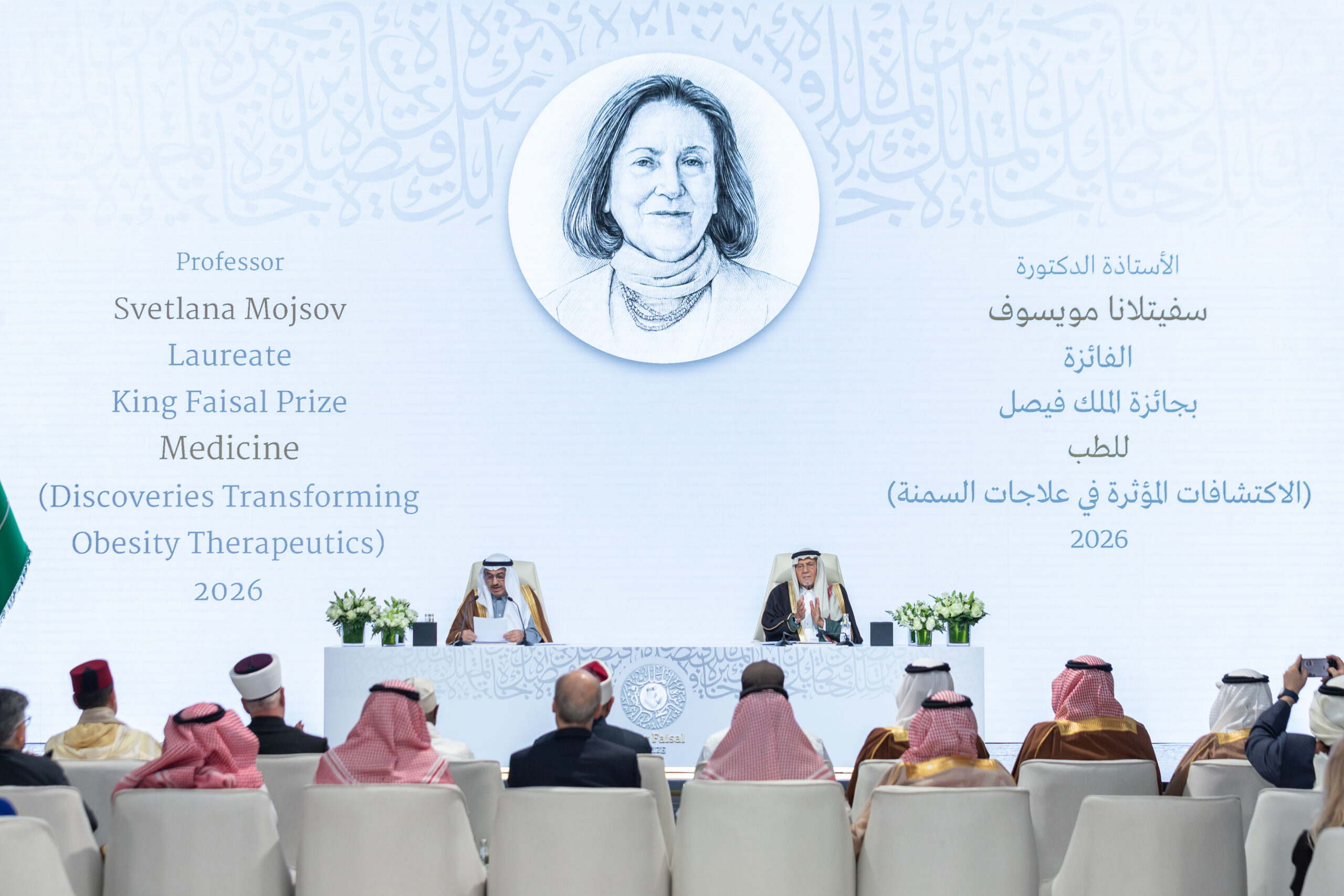
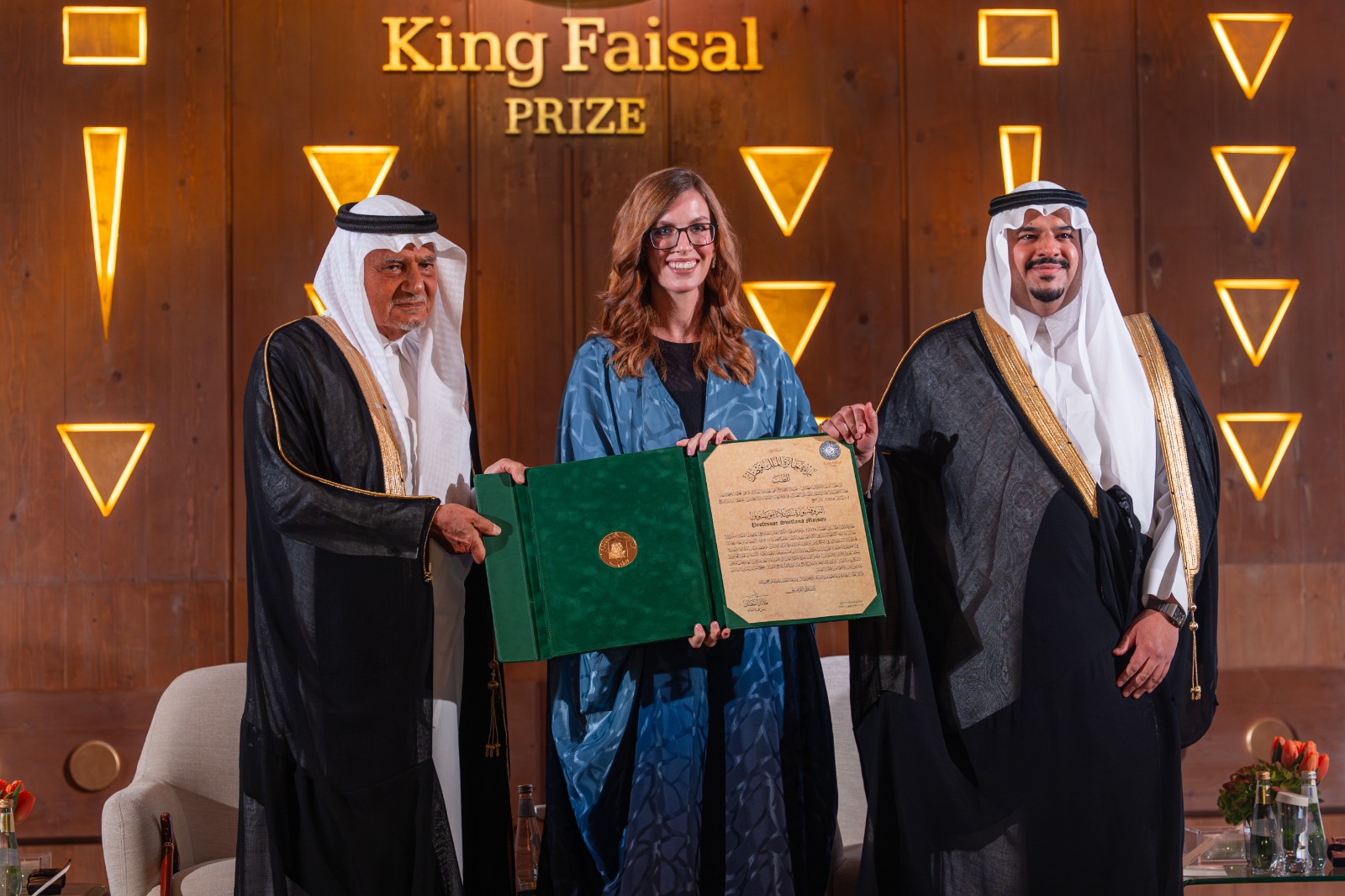
The Medicine Prize, focused on “Discoveries Transforming Obesity Therapeutics”, was awarded to Professor Svetlana Mojsov, Research Associate Professor at Rockefeller University.

She was recognized for her pioneering discovery of the GLP-1 hormone and its role in regulating insulin secretion, which led to the development of a new generation of treatments for diabetes and obesity, significantly improving millions of lives worldwide. In 1983, she made a critical breakthrough by identifying the biologically active form of GLP-1 and demonstrating its role in stimulating insulin secretion, establishing its therapeutic potential. Her work laid the scientific foundation for a new class of treatments for metabolic diseases. Her contributions have earned global recognition, including the Lasker Award, Breakthrough Prize, and Princess of Asturias Award, among others. In her speech, she said, “Twenty-five years after we published our findings Novo Nordisk Pharmaceutical Company developed long lasting injectable GLP-1 analogs for diabetes and obesity. I am humbled that my work that started 40 years ago with a hypothesis has benefited the health and lives of millions of people worldwide.”

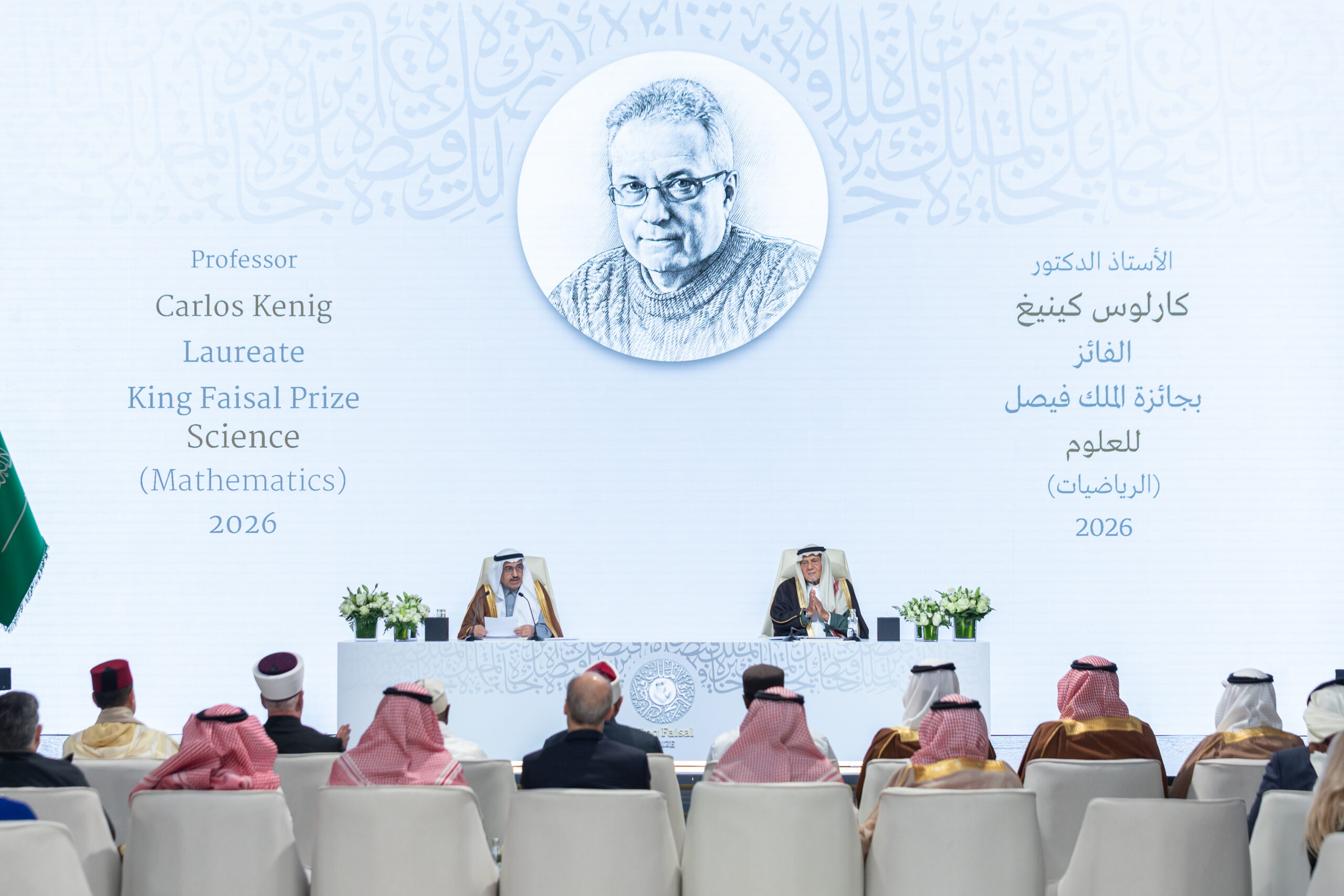
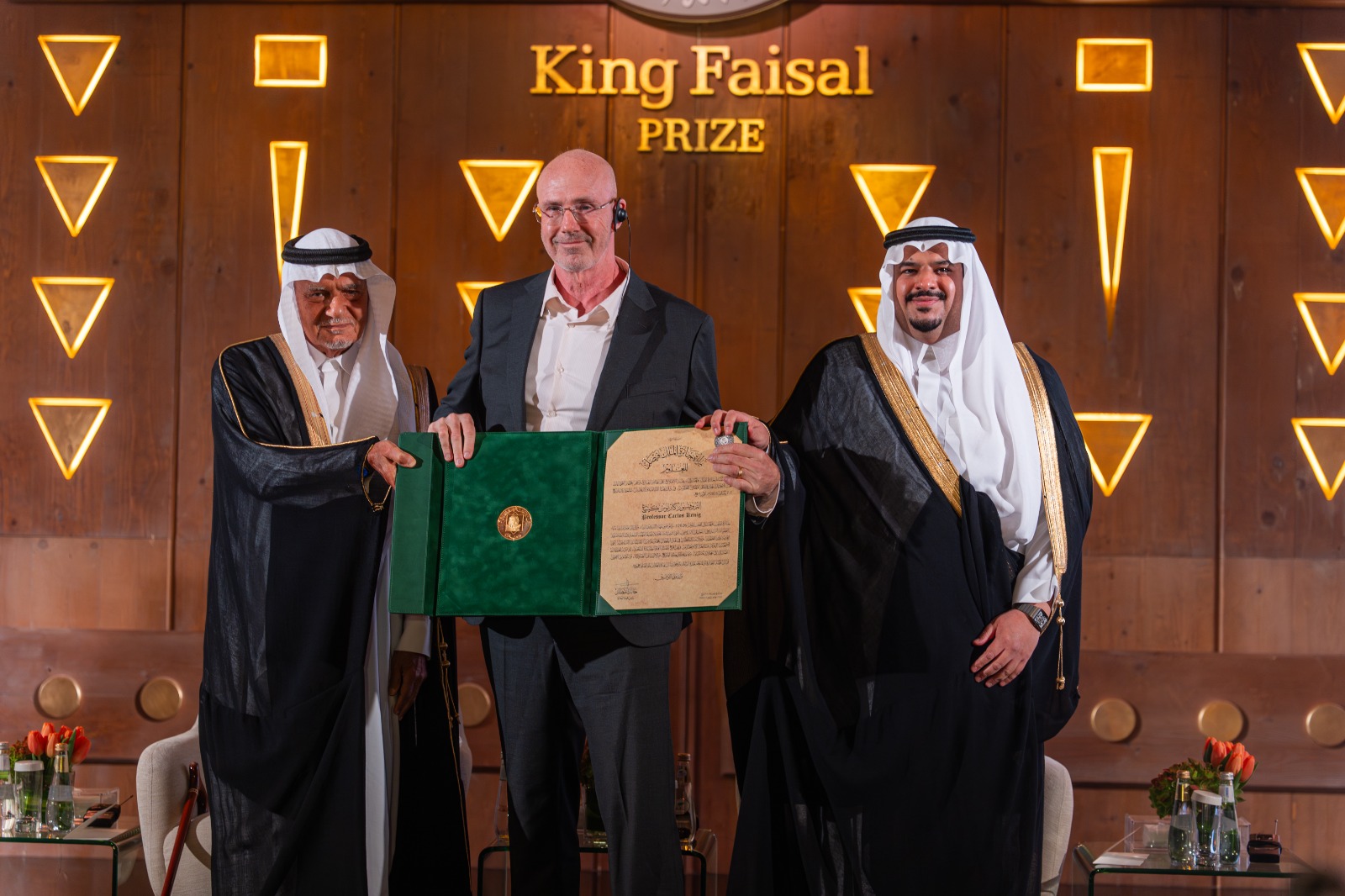
The Science Prize in Mathematics was awarded to Professor Carlos Kenig, Louis Block Distinguished Service Professor at the University of Chicago, was awarded the King Faisal Prize in Mathematics for his pioneering contributions to nonlinear partial differential equations. By applying advanced harmonic analysis, his work has transformed the understanding of complex physical phenomena, with applications spanning fluid mechanics, optical fibers, and medical imaging. His research on wave behavior and free boundary problems has provided fundamental insights into the stability and evolution of systems, resolving long-standing mathematical challenges and shaping modern analysis.

A globally recognized leader in his field, he has received prestigious honors including the Salem Prize, Bôcher Prize, and Solomon Lefschetz Medal, and has been invited to speak at the International Congress of Mathematicians three times. In his acceptance speech, he stated, “I became interested in mathematics at the age of 12, when in my first year of high school in my native country Argentina, our math teacher taught us Euclidean geometry, and how to prove rigorously theorems about triangles. I was hooked from that time on! I then had the very good fortune to study at the University of Chicago, and to be a postdoc at Princeton University, under some of the most outstanding mathematicians of the 20th century. These experiences influenced the direction of my research, which turned to topics in mathematical analysis, and eventually mostly to the study of the partial differential equations that govern our physical world.”

The King Faisal Prize 2026 ceremony is a historical milestone. The King Faisal Foundation turned 50, marking half a century of championing human excellence. Established by the Foundation in 1977 and first awarded in 1979, the King Faisal Prize has since honored 308 laureates from 45 countries in recognition of their outstanding contributions across various fields of science and humanitarian causes. Each laureate from the prize’s 5 categories is endowed with USD 200 thousand; a 24-carat gold medal weighing 200 grams; and a Certificate inscribed with the Laureate’s name and a summary of their work which qualified them for the prize.


2N7A2033

Pioneering Scientist Behind Revolutionary Weight-Loss Drugs and Leading Mathematician Honored with 2026 King Faisal Prize
Professor Svetlana Mojsov and Professor Carlos Kenig, among other eminent figures, were selected to win the 48th session of the Prize

January 7, 2026

Professor Svetlana Mojsov was announced this year’s King Faisal Prize in Medicine laureate for her groundbreaking discoveries that are reshaping how we treat obesity, and Professor Carlos Kenig was announced this year’s King Faisal Prize in Science laureate in the field of Mathematics for revolutionizing our understanding of nonlinear partial differential equations. Other laureates’ names were announced to win King Faisal Prize in 2026 for enriching humanity with invaluable achievements and discoveries, and for excelling in the fields of Arabic Language and Literature, Islamic Studies, and Serving Islam.

Professor Mojsov, the Lulu Chow Wang and Robin Chemers Neustein Research Associate Professor at the Rockefeller University in New York, pioneered research on glucagon-like peptide-1 (GLP-1) that has fundamentally transformed how we treat obesity and diabetes. She discovered and characterized the biologically active form of GLP-1; a natural intestinal hormone that regulates blood sugar and appetite, and identified its receptors in the human pancreas, heart, and brain. Through cutting-edge peptide biochemistry and physiological studies, Professor Mojsov demonstrated that GLP-1 powerfully stimulates insulin secretion while reducing hunger and managing glucose levels.

Her groundbreaking work enabled the development of an entirely new class of medications that mimic this natural hormone, sparking a paradigm shift in obesity treatment. Today, these therapies provide life-changing benefits for hundreds of millions of people worldwide living with obesity and its complications—a global health crisis affecting 890 million adults and 160 million children and adolescents in 2022 alone according to World Health Organization.

Professor Mojsov is listed as co-inventor on patents for the use of GLP-1 that were licensed to the pharmaceutical company Novo Nordisk, which led to the development of breakthrough medications. The medications based on Professor Mojsov’s foundational work have transformed patient care worldwide. Her work has led to the development of a class of medications marketed under trade names including Victoza, Ozempic, and Rybelsus for diabetes treatment and weight loss. These drugs work by copying what the natural hormone does in the body: they help release insulin when blood sugar is high, slow down digestion, and reduce appetite by affecting the brain’s hunger centers. The first drug to reach market, Victoza, was approved by the U.S. Food and Drug Administration in 2010 and was based directly on the GLP-1 sequence that Professor Mojsov discovered. Professor Mojsov’s contributions demonstrate how basic scientific research can lead to life-changing therapies that address one of the world’s most pressing health challenges.

Her groundbreaking contributions have earned numerous prestigious honors, including the Lasker Award, Tang Prize, Breakthrough Prize, VinFuture Prize, and Princess of Asturias Prize, among others. Time magazine also named her one of the 100 Most Influential People in 2024.

This year’s King Faisal Prize in Science “Mathematics” honors Professor Carlos Kenig for his groundbreaking contributions to mathematical analysis. His work has transformed our understanding of nonlinear partial differential equations—the mathematical equations describing how things change and move in the physical world—and provided researchers with a now-ubiquitous set of techniques. His insights have opened new research frontiers with applications spanning fluid mechanics, optical fibers, and medical imaging.

Professor Carlos Kenig, Louis Block Distinguished Service Professor at the University of Chicago, is recognized for applying harmonic analysis techniques across different areas of partial differential equations. His work on free boundary problems—determining unknown boundaries such as where ice meets melting water or how fluids flow through soil—has been particularly influential.

Professor Kenig has spent three decades figuring out how complex waves behave over long periods of time, especially in tricky situations where they could either spread out peacefully or build up dangerously. This matters for understanding everything from ocean waves to light pulses in fiber optics to how energy moves through different materials. His work helps explain phenomena in quantum mechanics, optics, and ocean waves. By combining different mathematical techniques, he has solved longstanding problems that had puzzled mathematicians for decades. His research examines how solutions to these equations evolve over time, when they remain stable, and when they might break down or form singularities.

Another important area of Professor Kenig’s work involves understanding how mathematical solutions behave near edges or boundaries. He has also contributed to unique continuation properties, which explore how much information about a solution you need in order to determine the entire solution. These mathematical insights have practical applications in medical imaging and other inverse problems where you try to determine internal structures from external measurements.

Professor Kenig’s distinguished career includes the Salem Prize (1984), the Bôcher Prize of the American Mathematical Society (2008), the Solomon Lefschetz Medal from the Mathematical Council of the Americas (2021), and the ICMAM Latin America Prize (2024). He was an invited speaker at the International Congress of Mathematicians in 1984 and 2002, a plenary speaker in 2010, and delivered the American Mathematical Society’s colloquium lectures in 2017.

In addition to Medicine and Science, King Faisal Prize recognized this year the achievements of outstanding thinkers and scholars in the field of Arabic Language and Literature, Islamic Studies, and exemplary leaders who played a pivotal role in serving Islam, Muslims, and humanity at large.

Professor Pierre Larcher, Emeritus Professor of Arabic Linguistics at Aix-Marseille University and Emeritus Researcher at the Institute for Studies and Research on the Arab and Muslim Worlds, won this year’s King Faisal Prize for Arabic Language & Literature on “Arabic Literature in French”. His novel presentation of Arabic literature to French readers has earned widespread acclaim from critics and specialists, while his rigorous scholarly approach to classical Arabic literature has made it accessible and appropriate for French culture. His critical translation project of al-Mu’allaqat and rigorous study of pre-Islamic poetry demonstrate exceptional scholarly depth.

For this year’s Islamic Studies Prize on “Islamic Trade Routes”, Professor Abdelhamid Hussein Mahmoud Hammouda, Professor of Islamic History and Civilization at the Fayoum University, and Professor Dr. Mohamed Waheeb Hussein, Professor of Archaeology and History of Art at the Hashemite University, were announced as co-laureates.

Professor Abdelhamid Hussein Mahmoud Hammouda’s comprehensive work encompasses trade routes across the Islamic world—the Mashreq, Iraq and Persia, Arabian Peninsula, Greater Syria, Egypt, Sahara, Maghreb, and al-Andalus. This expansive scope delivers coherent understanding of Islamic trade trajectories across history, serving as an authoritative reference for both specialized research and broader scholarship.

Professor Dr. Mohamed Waheeb Hussein’s groundbreaking work uses archaeological surveys, GPS documentation, and analytical mapping to systematically correlate Qur’anic texts with geographical data. His research offers definitive scholarly interpretation of the Route of al-Īlāf, significantly advancing documentation of early Arabian Peninsula trade routes.

As for the Service to Islam Prize, Sheikh Abdullatif Al Fozan and Professor Dr. Mohammad Abou Moussa were announced as co-laureates for this year.

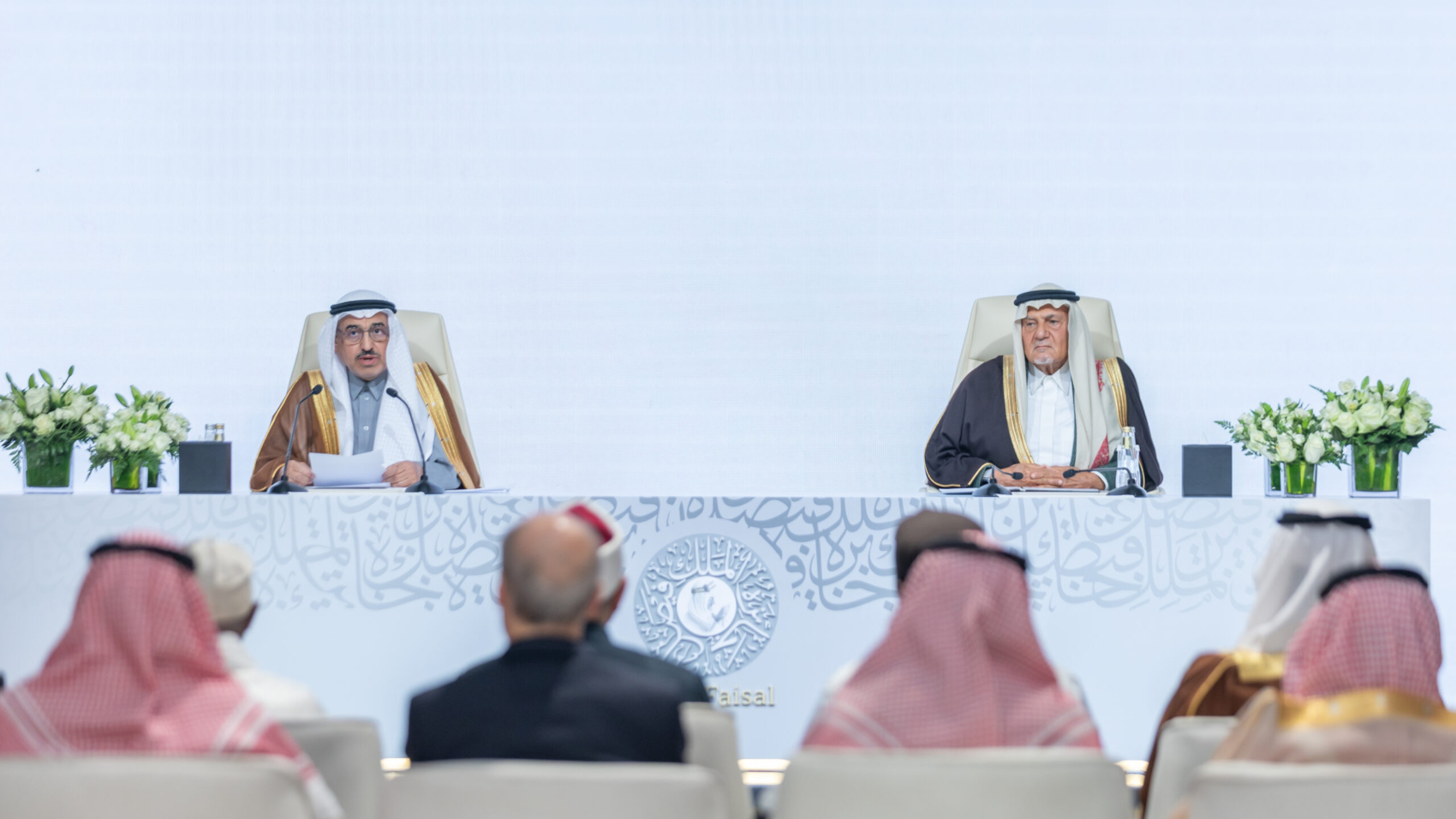
King Faisal Prize laureates’ names for 2026 were announced today in Riyadh, Saudi Arabia, by HRH Prince Turki Alfaisal and the Prize’s Secretary General Dr. Abdulaziz Alsebail. Since 1979, King Faisal Prize in its 5 different categories has awarded laureates who have made distinguished contributions to different sciences and causes. Each prize laureate is endowed with USD 200 thousand; a 24-carat gold medal weighing 200 grams, and a Certificate inscribed with the Laureate’s name and a summary of their work which qualified them for the prize.
 

2E5A3250

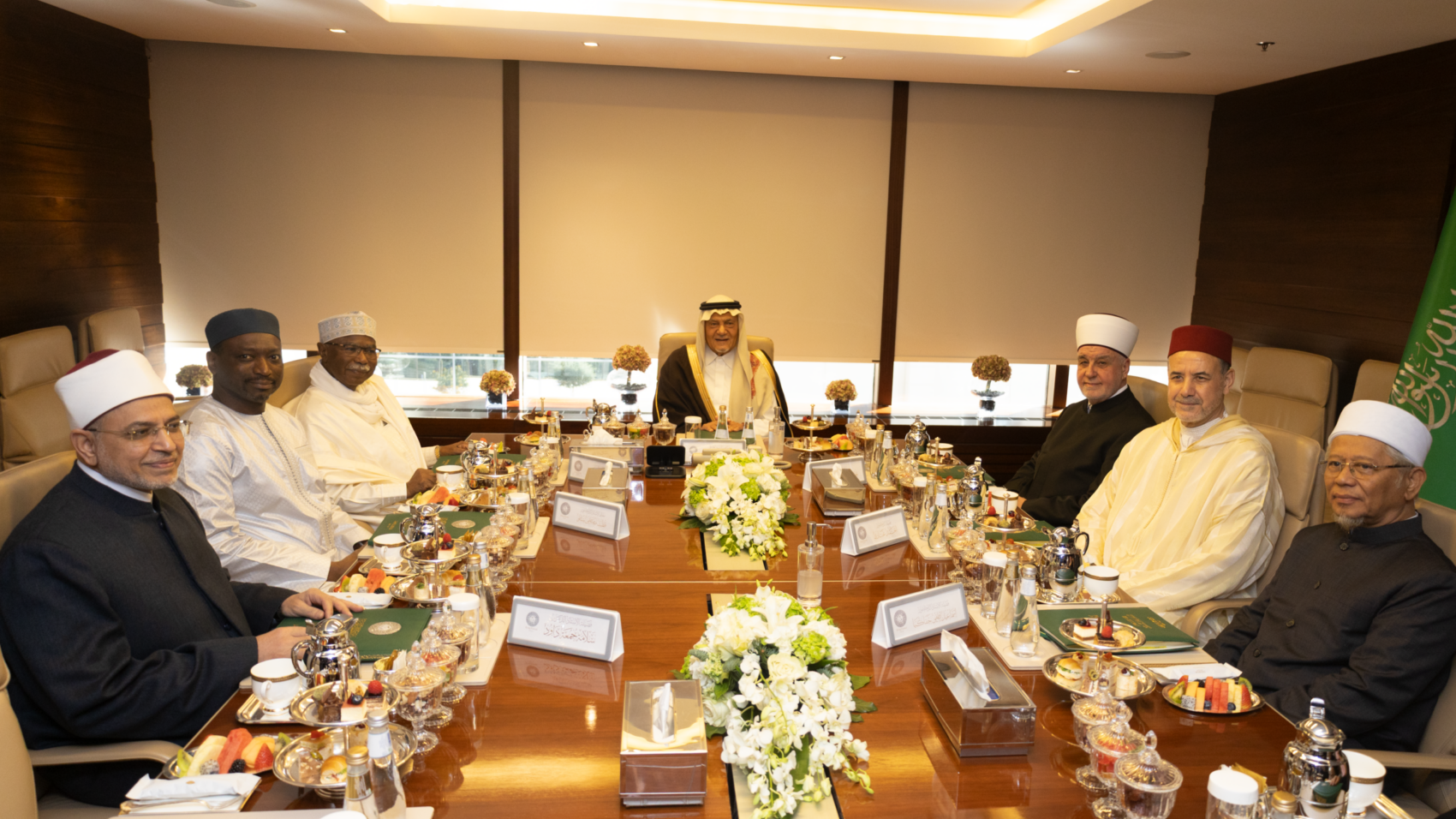
Prior to King Faisal Prize 2026 Laureates Announcement tonight HRH Prince Turki Al-Faisal chairs Service to Islam prize selection committee meeting

  • Riyadh, KSA, January 7, 2026:  


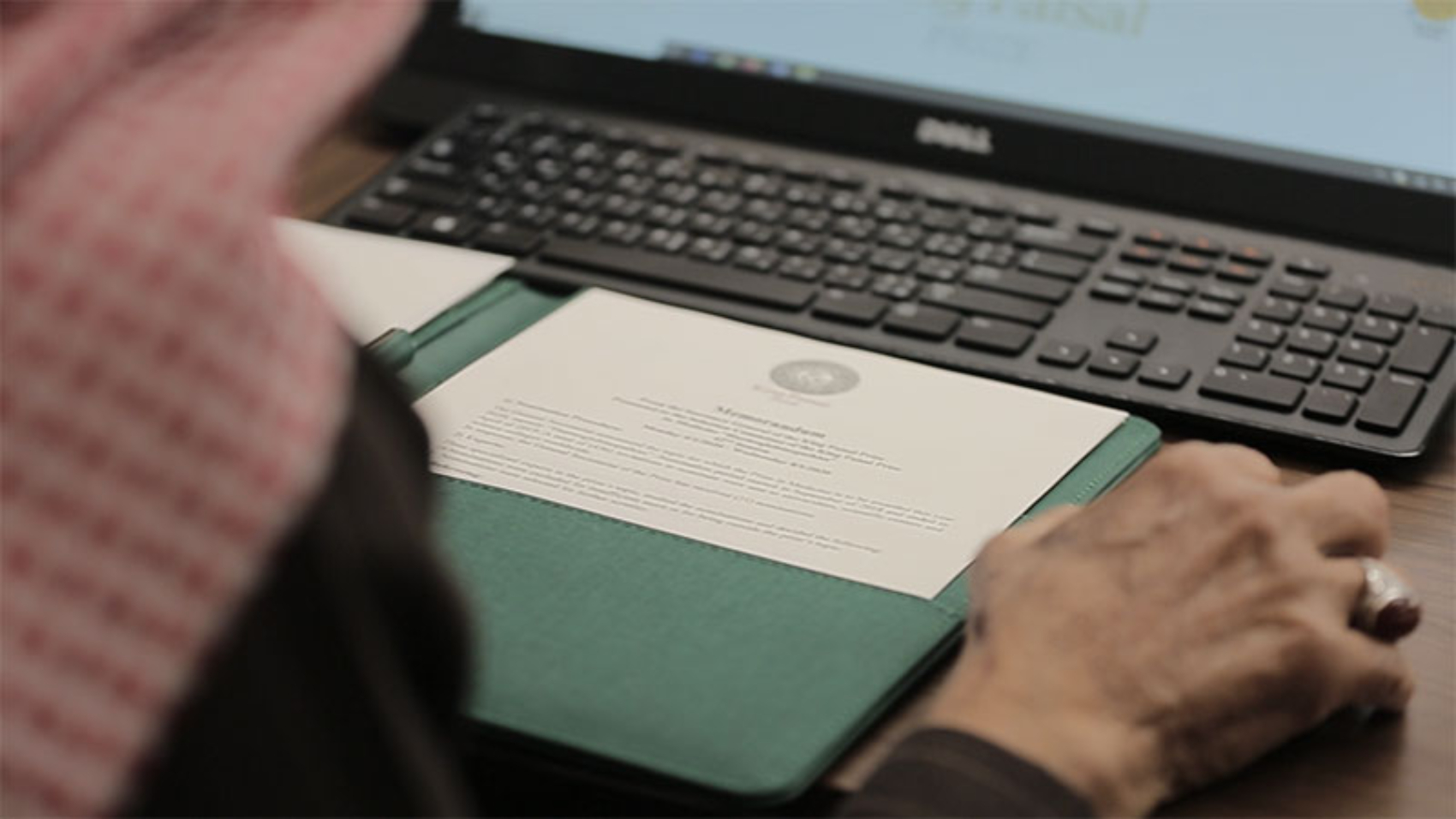
    A prize selection committee for King Faisal Prize for Service to Islam, headed by His Royal Highness Prince Turki Al-Faisal, met today to select the 2026 King Faisal Prize laureate in the Service to Islam category: one of the Prize’s five categories.  


    The Service to Islam prize reflects the primary objectives of the King Faisal Prize to ingrain Islamic values and ideas in the society and highlight their key role in enriching knowledge and human development. It aims to benefit Muslims in their present and future through awarding and acknowledging the distinguished efforts of individuals and institutions that have excelled in serving Islam and Muslims. To qualify for the prize, an individual or an institution should have rendered exceptional services to Islam and Muslims through knowledge and deeds or provided other outstanding services that offer far-reaching benefits to Islam and Muslims.  


    Later this evening, HRH Prince Turki Al-Faisal will announce the names of the 2026 King Faisal prize laureates in all five categories, during a ceremony held at Prince Sultan Grand Hall in Al-Faisaliah Center in Riyadh attended by scholars, intellectuals, and journalists. The event will be streamed live at 8:00 pm (KSA time) through King Faisal Prize’s website and social media platforms.  


    57 laureates from 24 different countries have previously received the Service to Islam prize during the past 47 years. The list of Service to Islam Laureates has comprised rulers, heads of states, thought leaders and social scientists as well as distinguished institutions. 


    ### 


    About King Faisal Prize: 


    The King Faisal Prize (KFP) was established by the King Faisal Foundation in 1977 and was granted for the first time in 1979. The Prize recognizes the outstanding works of individuals and institutions in five categories: Service to Islam, Islamic Studies, Arabic Language and Literature, Medicine, and Science. Its aim is to benefit Muslims in their present and future, inspire them to participate in all aspects of civilization, and enrich human knowledge and development. Laureates are selected based on their scientific competence and research excellence taking into consideration precise scientific criteria overseen by several specialized committees, which undertake the responsibility of examining nominations, evaluating the scientific output of nominees, and then selecting the laureates. 

5

King Faisal Prize final preparations to announce the names of 2026 laureates

  • Selection Committees started their meetings at King Faisal Prize headquarters to select laureates in Islamic Studies,
    Arabic Language & Literature, Medicine, and Science 
  • HRH Prince Turki Al-Faisal to chair committee meeting to select the laureate in Service to Islam  
  • Laureates Names to Be Announced on January 7 

Riyadh, KSA, January 5, 2026:  


King Faisal Prize will be announcing the names of its 2026 laureates on the 7th of January in Riyadh. In preparation for the announcement, specialized selection committees of the prize’s 4 categories – Islamic Studies, Arabic Language & Literature, Medicine, and Science started their meetings at the Prize’s headquarters today, 5 January 2026 and will continue until the 7th. On the 7th of January, His Royal Highness Prince Turki Al-Faisal Bin Abd Al-Aziz will chair the committee meeting to select the laureate of the Service to Islam prize. 


The General Secretariat had announced the topics of the 48th session of King Faisal Prize for 2026, as follows:  

  • Islamic Studies: “Trade Routes in the Islamic World”.  
  • Arabic Language & Literature: “Arabic Literature in French”.  
  • Medicine: “Discoveries Transforming Obesity Therapeutics”.  
  • Science: “Mathematics”. 


As for the King Faisal Prize for Service to Islam, it is considered an honorary award granted to those who have contributed a pioneering role in serving Islam and Muslims intellectually, scientifically, or socially through works, activities, programs, and projects that have had a tangible impact on society. 


The General Secretariat also pointed out that nominations are made by scientific institutions, universities, research centres as well as scientific and language councils, provided the nominated individual is alive and their nominated work is already published. The work should also be informative and contribute to the enrichment of knowledge for the development of humanity. 


The Prize selection committees this year include experts, specialists, and scholars, coming from different countries to meet in Riyadh and examine the nominated works to select the laureates in an objective and transparent manner, in accordance with the rules and regulations developed by the General Secretariat of the Prize. 


Members of the selection committee for the Service to Islam Prize, chaired by His Royal Highness Prince Turki Al-Faisal Bin Abd Al-Aziz are leading scholars in Islamic law and jurisprudence. 


HRH Prince Turki Al-Faisal will announce the names of the chosen prize laureates for 2026 in the five different categories on Wednesday January 7 at Prince Sultan Grand Hall in Al-Faisaliah Center, Riyadh.  


### 

About King Faisal Prize: 

The King Faisal Prize (KFP) was established by the King Faisal Foundation in 1977 and was granted for the first time in 1979. The Prize recognizes the outstanding works of individuals and institutions in five categories: Service to Islam, Islamic Studies, Arabic Language and Literature, Medicine, and Science. Its aim is to benefit Muslims in their present and future, inspire them to participate in all aspects of civilization, and enrich human knowledge and development. Laureates are selected based on their scientific competence and research excellence taking into consideration precise scientific criteria overseen by several specialized committees, which undertake the responsibility of examining nominations, evaluating the scientific output of nominees, and then selecting the laureates.