F66998B9-B5FB-48BD-AE25-01320C89992B

King Faisal Prize final preparations to announce the names of 2023 laureates

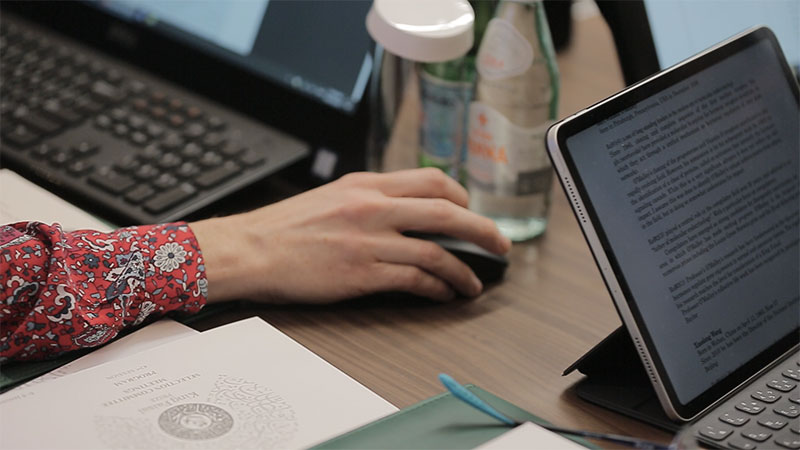
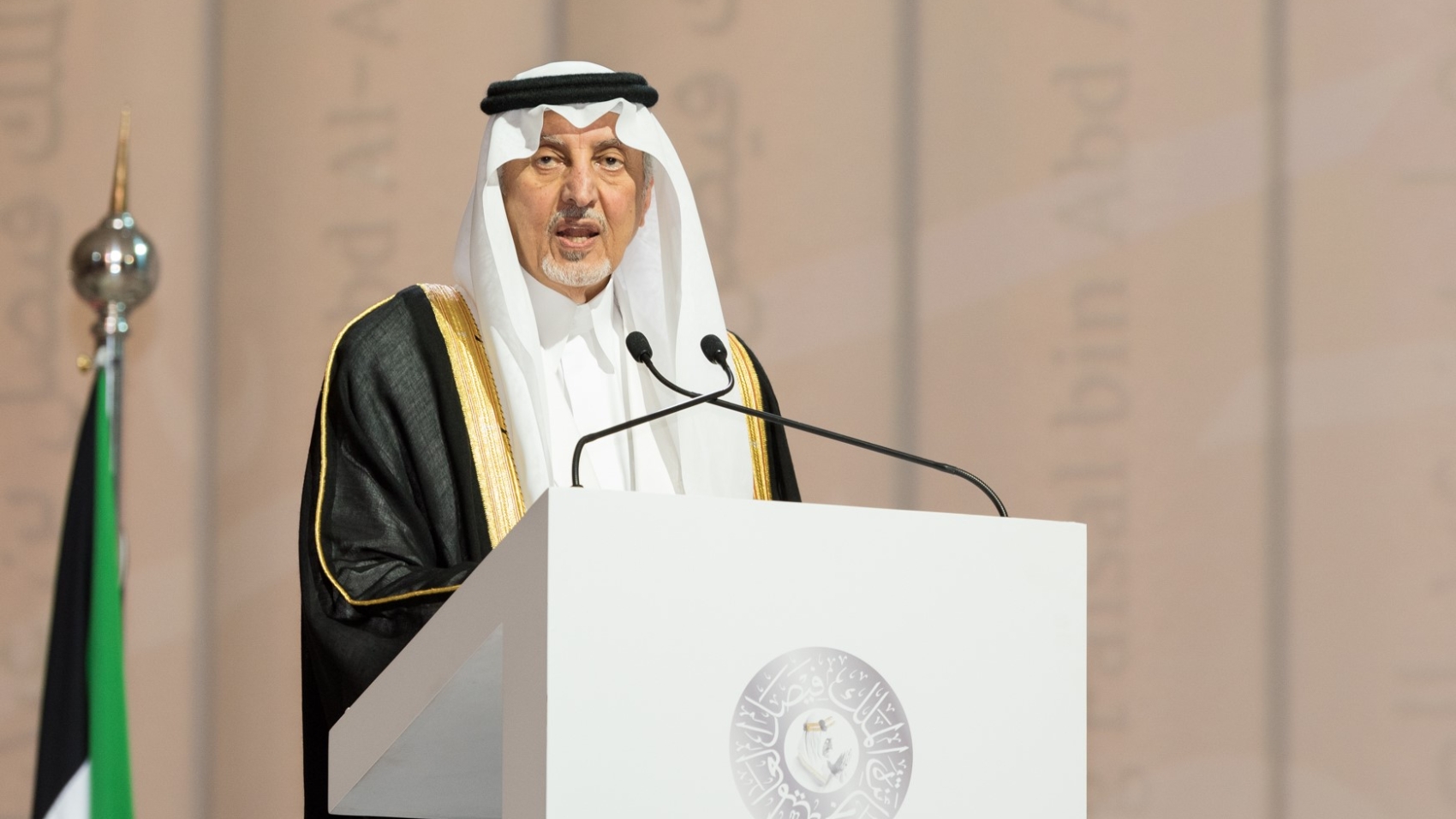
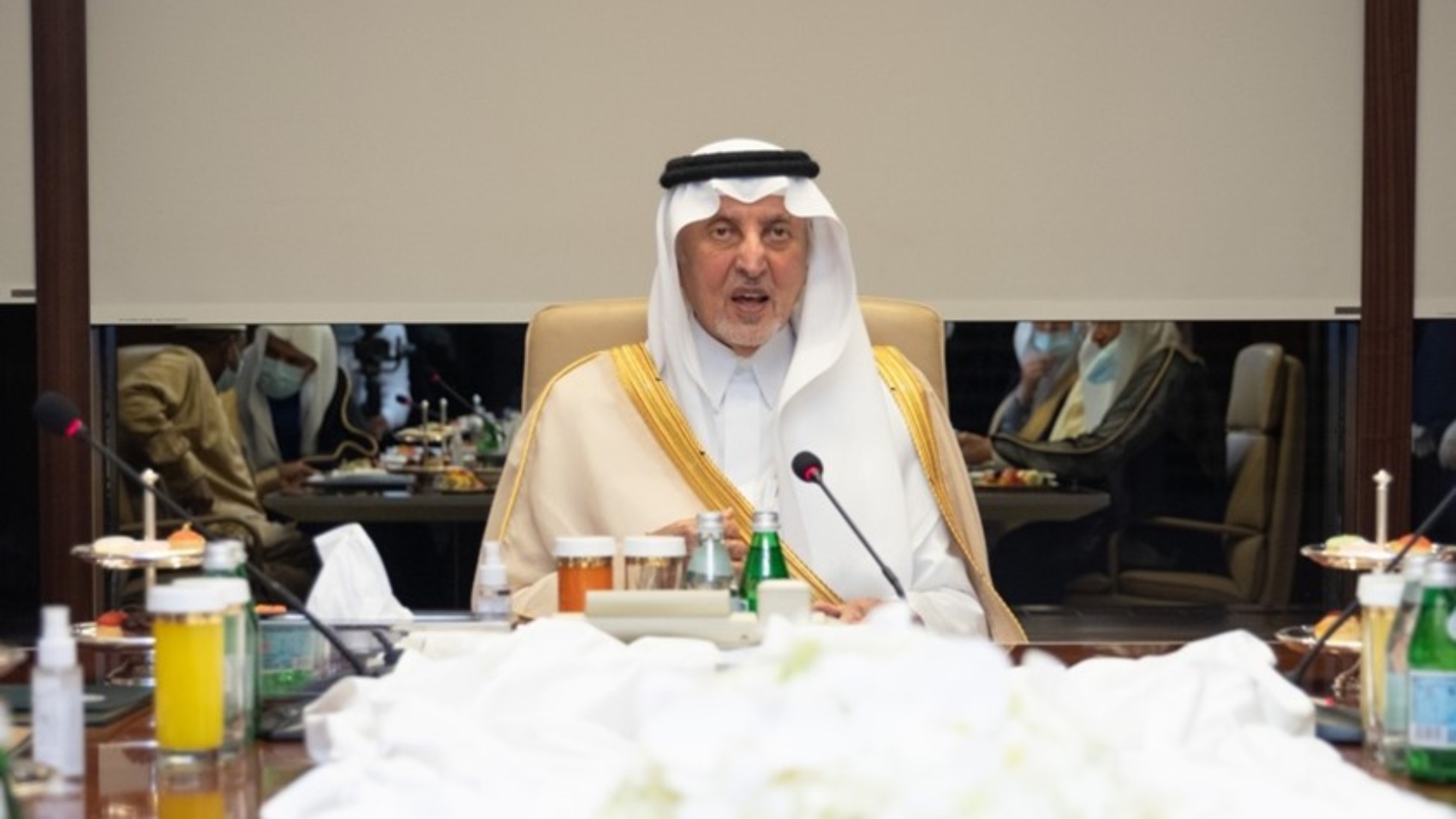
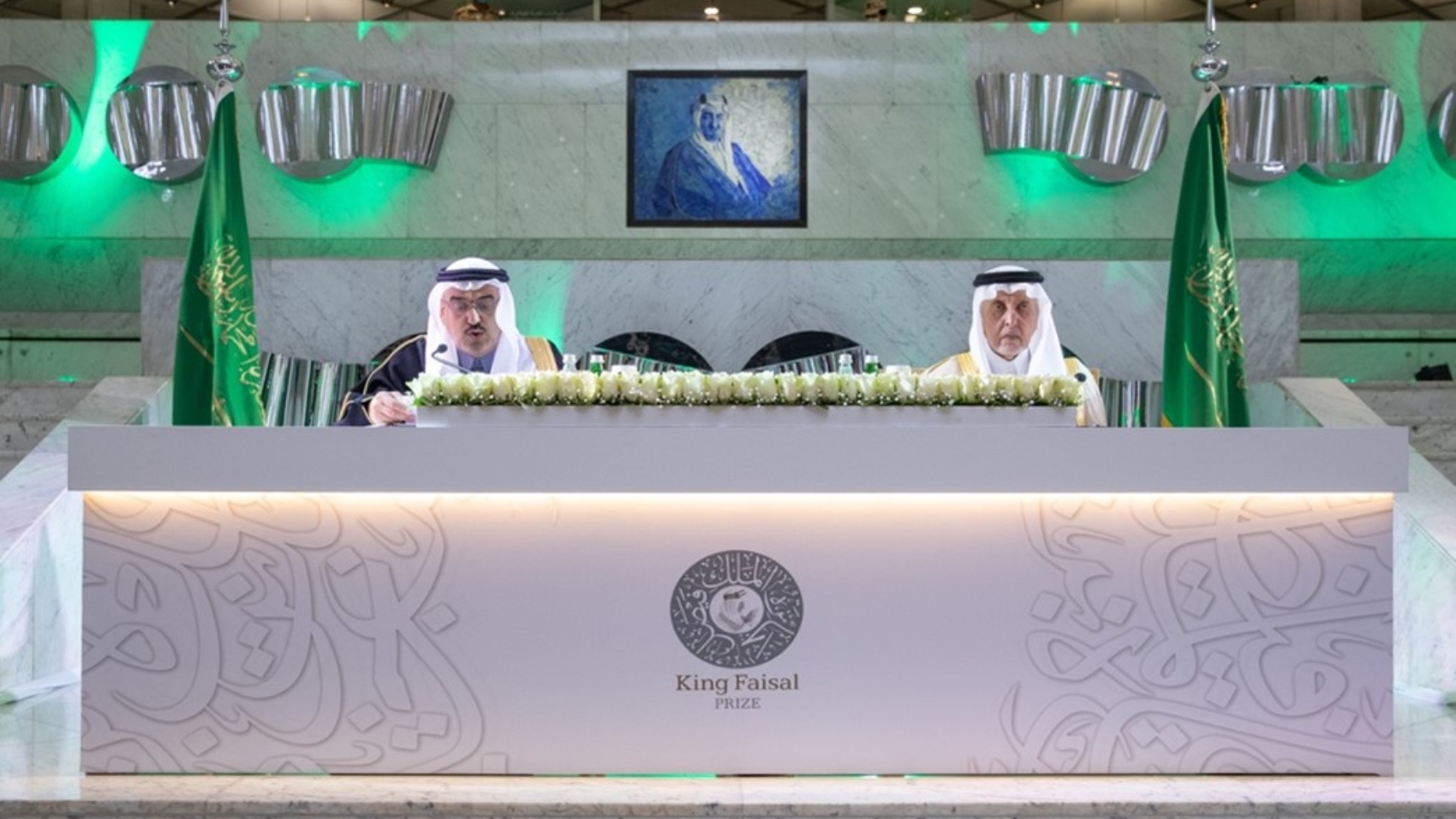
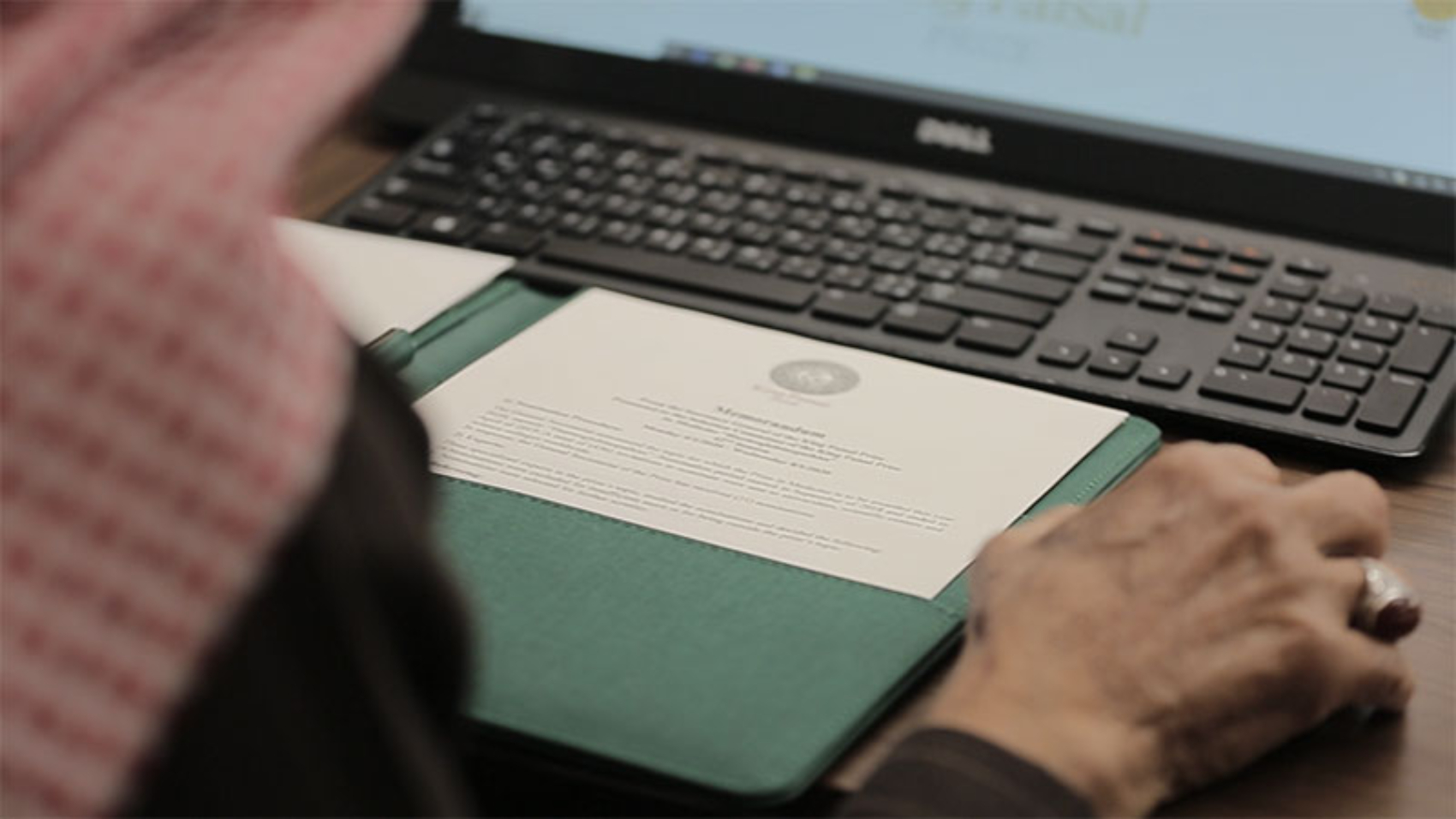
King Faisal Prize is announcing the names of its 2023 laureates on the 4th of January. In preparation for the announcement, specialized selection committees of the prize’s 4 categories– Islamic Studies, Arabic Language & Literature, Medicine, and Science will start their meetings in the Prize’s headquarters in Riyadh on the 2nd of January 2022 and will continue until the 4th. On the 4th of January, His Royal Highness Prince Khalid Bin Faisal Bin Abdulaziz, Chairman of King Faisal Prize Board, will chair the committee meeting to select the laureate of the Service to Islam prize.


The General Secretariat had earlier announced the topics of the 45th session of the King Faisal Prize in the following topics: Islamic Studies “Islamic Architecture”; Arabic Language & Literature “Classical Arabic Narrative and Modern Theories”; Medicine “Pandemics and Vaccine Development”; and Science “Chemistry”.


The General Secretariat also pointed out that nominations are made by scientific institutions, universities, research centres as well as scientific and language councils, provided the nominated individual is alive and their nominated work is already published. The work should also be informative and contribute to the enrichment of knowledge for the development of humanity.


The Prize selection committees include more than 40 specialists, scientists, and public figures, coming from 26 different countries to meet in Riyadh and examine the nominated works to select the laureates in an objective and transparent manner, in accordance with the rules and regulations developed by the General Secretariat of the Prize.


The members of the selection committee for the Service to Islam Prize, chaired by His Royal Highness Prince Khalid Bin Faisal Bin Abdulaziz, Chairman of King Faisal Prize Board, include a group of leading scholars in Islamic law and jurisprudence.


HRH Prince Khalid Al-Faisal will announce the names of the chosen prize laureates for 2023 in the five different categories on Wednesday January 4.


5

King Faisal Prize final preparations to announce the names of 2022 laureates

Selection Committees to meet at King Faisal Prize headquarters to select its laureates in Islamic Studies,
Arabic Language & Literature, Medicine, and Science

HRH Prince Khalid Al-Faisal to chair committee meeting to select laureate in Service to Islam

Names Announcement ceremony to be held on 5 January 2022

Riyadh, KSA, January 2, 2022:

King Faisal Prize is announcing the names of its 2022 laureates on the 5th of January in Riyadh. In preparation for the announcement, specialized selection committees of the prize’s 4 categories– Islamic Studies, Arabic Language & Literature, Medicine, and Science will start their meetings in the Prize’s headquarters on the 3rd of January 2022 and will continue until the 5th. On the 5th of January, His Royal Highness Prince Khalid Al-Faisal Bin Abd Al-Aziz, Chairman of King Faisal Prize Board, will chair the committee meeting to select the laureate of the Service to Islam prize.


The General Secretariat had earlier announced the topics of the 44th session of the King Faisal Prize in the following topics: Islamic Studies “Andalus’ Islamic Heritage”; Arabic Language & Literature “Arabic literature Studies in English”; Medicine “Gene Editing Technologies”; and Science “Mathematics”.


The General Secretariat also pointed out that nominations are made by scientific institutions, universities, research canters as well as scientific and language councils, provided the nominated individual is alive and their nominated work is already published. The work should also be informative and contribute to the enrichment of knowledge for the development of humanity. Nominations are not accepted from individuals or political parties.


The Prize selection committees include specialists, scientists, and public figures, coming from 26 different countries to meet in Riyadh and examine the nominated works to select the laureates in an objective and transparent manner, in accordance with the rules and regulations developed by the General Secretariat of the Prize.


The members of the selection committee for the Service to Islam Prize, chaired by His Royal Highness Prince Khalid Al-Faisal Bin Abd Al-Aziz, Chairman of King Faisal Prize Board, include His Excellency the Secretary-General of the Organization of Islamic Cooperation (OIC), Dr. Hussein Ibrahim Taha, His Excellency the Secretary-General of the Muslim World League, Dr. Muhammad bin Abdul Karim Al-Issa, the President of Al-Azhar University Dr. Muhammad Al-Mahrasawi, His Excellency the Secretary-General of the Muhammadiyah League of Scholars in Morocco, Dr. Ahmed Ebadi, the President of Scholars and the General Mufti of Bosnia and Herzegovina, His Eminence Sheikh Husein Kavazović, His Excellency the Secretary-General of the International Islamic Fiqh Academy, Prof. Koutoub Moustapha Sano, and His Eminence the President of Fatani University Dr. Ismail Lutfi Javakia.


HRH Prince Khalid Al-Faisal and King Faisal Prize Secretary General Dr. Abdulaziz Alsebail will announce the names of the chosen prize laureates for 2022 in the five different categories in a ceremony that will be held on Wednesday 5 January at Prince Sultan Grand Hall in AlFaisaliah Hotel in the presence of the members of the selection committees as well as a number of guests and media specialists.


###


About King Faisal Prize:


King Faisal Prize was established in 1977 by the King Faisal Foundation; a philanthropic organization founded in 1976 by the sons and daughters of the late King Faisal bin Abdulaziz, as a tribute to their father. The Prize was granted for the first time in 1979, aiming to recognize distinguished initiatives that instil Islamic values in the society and contribute to the development of Muslim communities as well as the overall progress of mankind.

Ceremony_010

King Faisal Prize Ceremony Awarding Laureates of 2020 and 2021 to be Held on December 28

Under the auspices of the Custodian of the Two Holy Mosques King Salman bin Abdulaziz, King Faisal Prize award ceremony will be held on December 28 in Riyadh to honor the laureates of 2020 and 2021. Ten top-notch scholars, scientists, innovators, and thought leaders, who have made outstanding and groundbreaking discoveries and contributions in the fields of: Service to Islam, Islamic studies, Arabic Language and Literature, Medicine, and Science, will meet in Riyadh to receive their King Faisal Prize in its 5 different categories.

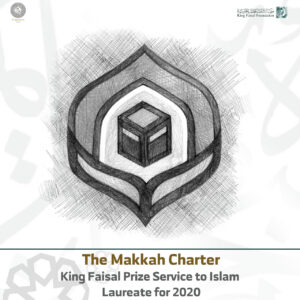
The Service to Islam prize laureate for 2020 is The Makkah Charter, a historic constitution enshrining the values of coexistence and peace among various religions and cultures.
 

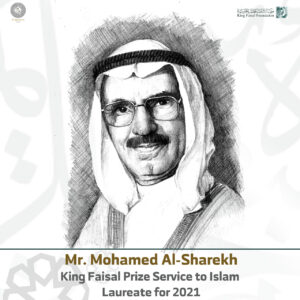
The 2021 Service to Islam prize laureate is Mr. Mohamed Abdulrahman Al-Sharikh, Chairman of Sakhr Software Company, who has played a prominent role in instilling the spirit of research, creativity, and innovation to preserve the heritage of the Muslim community through the production of the first software for the Holy Qur’an.  He has also been a pioneer in developing different computer programs for Arabic language like the contemporary electronic dictionary, the Arabic editor program, the automated Arabic pronunciation program, and the Arabic e-translation program.
 

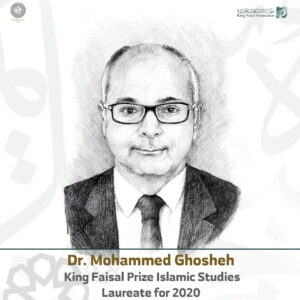
The Islamic Studies prize for 2020 on “Islamic Heritage of Al Quds” will be received by Dr. Mohammed Hashim Ghosheh, a historian and an architect who has contributed to more than 150 research works and studies about Al-Quds (Jerusalem) and its Arabo-Islamic heritage. He has also authored some 37 historical and documentary books on Al-Quds Al-Sharif highlighting its historical, intellectual, architectural, and heritage values. His most outstanding “Encyclopedia of Palestine” in English contains extensive material regarding Jerusalem.
 

The Islamic Studies prize for year 2021 on Endowment in Islam; however, is withheld.

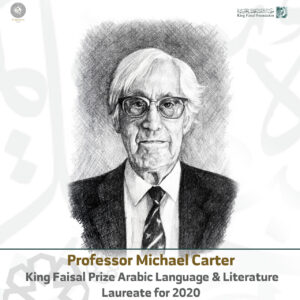
As for the Arabic Language and Literature prize, Professor Michael Carter is the 2020 laureate for the topic “Linguistic Studies on Arabic in Other Languages”. His research into Arabic linguistics, which span over 50 years, is considered one of the most significant contributions to the study of the Arabic grammatical tradition and a key resource for linguistic research outside the Arab world.
 

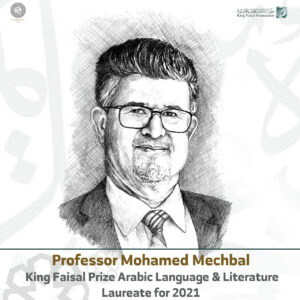
Professor Mohamed Mechbal, a professor of rhetoric and literary criticism at Abdul-Malik al-Saadi University, Morocco, is the 2021 laureate in Arabic Language and Literature. His work, which is characterized by depth, novelty, and originality, aligns with this year’s prize category’s theme “The New Rhetoric”. Inspired by his vision which calls for renewal, his works have sought to link rhetorical research to the fields of literature, language, and communication, and have laid the foundation for the inception of modern Arab rhetoric.
 

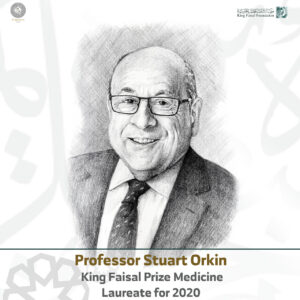
The hematologist-oncologist and geneticist Stuart Orkin, M.D., David G. Nathan Distinguished Professor of Pediatrics at Harvard Medical School, and an Investigator of the Howard Hughes Medical Institute, is the 2020 Medicine laureate in the topic of “Haemoglobinopathies”. His pioneering discoveries of the genetic underpinnings of blood disorders have guided encouraging therapies for inherited blood disorders that affect millions of people around the world with thalassemia and sickle cell disease. These discoveries have also revolutionized the understanding around how such illnesses occur.
 

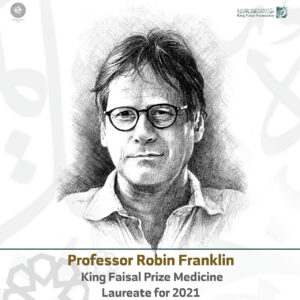
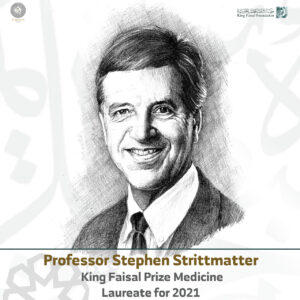
The 2021 Medicine laureates are two professors sharing the prize for their works on “Regenerative Medicine in Neurological Conditions”.  The laureate Robin James Franklin is the professor of Stem Cell Medicine at the Wellcome Trust-Medical Research Council Cambridge Stem Cell Institute and the Director of the UK MS Society Cambridge Centre for Myelin Repair at the University of Cambridge. The laureate Stephen Mark Strittmatter is a professor of Neuroscience at Yale School of Medicine, and the Founding Director of Yale Cellular Neuroscience, Neurodegeneration and Repair Program, Yale Alzheimer Disease Research Center, and Yale Memory Disorders Clinic.

Professor Franklin has made outstanding contributions to the biology of “myelin” (an insulating fatty layer that forms around nerves to allow electrical impulses to transmit quickly and efficiently) leading to important applications for clinical neurology, especially “multiple sclerosis”. He has been a pioneer in the biology of “remyelination” (regenerating myelin), an area in which he is widely acknowledged as the world’s leading expert.
 

Professor Strittmatter has made significant contributions to the field of neural repair and the molecular understanding of failed axonal growth and limited recovery following spinal cord injury. He has worked on Alzheimer’s disease, dementia, and other disorders of memory functions, and has translated his discoveries to develop new therapeutic approaches to achieve regeneration in the central nervous system.
 

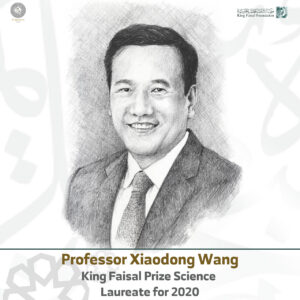
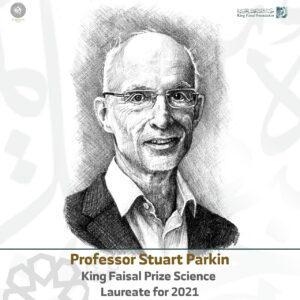
Science laureates for years 2020 (Biology) and 2021 (Physics) are Professor Xiaodong Wang; the Director of the National Institute of Biological Sciences at Beijing, and Professor Stuart Stephen Parkin; the Director at the Max Planck Institute of Microstructure Physics at Halle, Germany, respectively.

Professor Xiaodong Wang’s unique work has changed the understanding of how cell death is regulated in growing and mature organisms and has contributed to new insights for the therapeutic modulation of cell death for treating life threatening diseases.
 

Professor Stuart Parkin’s fundamental discoveries and innovations in the field of spintronics have revolutionized computers resulting in 1,000-fold increase in the storage capacity of magnetic disk drives. His research facilitated sharing films and pictures via networks or computer clouds, making them available to groups of networked computers and enabling the “big data revolution”. His work helped solve intractable problems that depend on fast access to vast quantities of data through machine learning and artificial intelligence.
 

Since 1979, King Faisal Prize has awarded over 270 laureates from more than 40 different nationalities who have made distinguished contributions to serving Islam, Muslims, and humanity at large, and who have conducted outstanding research and made pivotal discoveries and findings in major fields of Science, Medicine, Islamic Studies, and Arabic Language & Literature.

Each prize category out of the 5 different categories is endowed with SAR 750 thousand (an equivalent of USD200 thousand); a 24 carat gold medal, weighing 200 grams, with one side bearing the liking of King Faisal and the prize category written in Arabic, and the other side holding the logo of the prize and the prize category in English; and a Certificate written in Arabic calligraphy signed by the Chairman of the Prize board, His Royal Highness Prince Khalid Al-Faisal, inscribed with the Laureate’s name and a summary of his/her work which qualified him/her for the prize.
 

Picture5

Prior to King Faisal Prize 2021 Laureates announcement tonight – HRH Prince Khalid Al-Faisal chairs Service to Islam prize selection committee meeting

A prize selection committee for King Faisal Prize for Service to Islam, headed by His Royal Highness Prince Khalid Al-Faisal, Chairman of the King Faisal Prize Board, is meeting today to select the 2021 King Faisal Prize laureate in the Service to Islam category: one of the Prize’s five categories.

The committee comprises the following members: His Excellency Kabine Komara, former Prime Minister of Guinea; H.E. Dr. Yousef bin Ahmad Al-Othaimeen, Secretary-General of the Organisation of Islamic Cooperation; H.E. Dr. Mohammad bin Abdul Karim Al-Issa, Secretary General of the Muslim World League; and Dr. Ahmed Abbadi, Secretary General of the Muhammadiyah Association of Scholars; H.E. Dr. Khalid Mathkour Al Mathkour, Member of Shariah Faculty at Kuwait University.

The Service to Islam prize reflects the primary objectives of the King Faisal Prize to ingrain Islamic values and ideas in the society and highlight their key role in enriching knowledge and human development. It aims to benefit Muslims in their present and future through awarding and acknowledging the distinguished efforts of individuals and institutions that have excelled in serving Islam and Muslims.

Following the Service to Islam selection committee meeting today, HRH Prince Khalid Al-Faisal will announce the names of the laureates for all the five Prize categories at a small function in Riyadh. The event will be streamed live at 8:00 pm (Riyadh time) through the King Faisal Prize’s website and its social media platforms (YouTube, Twitter, Instagram, and Facebook). In line with current social distancing restrictions, the number of press personnel attending the ceremony will be limited accordingly.

Previous laureates in the Service to Islam category of the King Faisal Prize have included rulers, heads of states, thought leaders and social scientists as well as some distinguished institutions. To qualify for the prize, an individual or an institution should have rendered exceptional services to Islam and Muslims through knowledge and deeds or provided other outstanding services that offer far-reaching benefits to Islam and Muslims.

Picture4

King Faisal Prize General Secretariat Announcement – 2021 Laureates

In the Name of Allah, the Most Gracious, the Most Merciful

With the grace and glory of Allah, the selection committees of the 2021 King Faisal Prize, after meticulous deliberations that were held from Saturday 6th to Wednesday 10th of February 2021, have reached the following decisions for the Prize’s five categorize of Service to Islam, Islamic Studies, Arabic language & Literature, Medicine, and Science.

First: King Faisal Prize for The Service to Islam

The King Faisal Prize for Service to Islam for this year 2021 is awarded to: Mr. Mohamed bin Abdulrahman Al-Sharikh

Chairman of Sakhr Software Company
In recognition of his outstanding services to Islam and Muslims, which included:

  • His production of the first software for the Holy Qur’an and the nine Hadith books in the English language, and the updating of the Islamic information archive, which includes, besides the Holy Qur’an, the Encyclopedia of Noble Hadith, the Encyclopedia of Islamic Jurisprudence, and other programs as well as other Islamic information bases.
  • His efforts in the Arabization and production of computer programs since 1982, the development of an Arabic contemporary electronic dictionary, the proofreader program, automatic formal Arabic pronunciation, machine translation, and the development of the vision system for the blind.
  • Developing many cultural and educational programs for young people related to Islamic culture and Arabic language, and establishing training and software development centers since the 1980s.
  • Archiving and making openly accessible Arabic magazines since the late 19th century with more than two million pages.
  • He is considered one of the personalities who have contributed to enhancing the Muslim culture with many works characterized by their rigor and originality. He has played a prominent role in supporting and instilling the spirit of research, creativity and innovation to preserve the heritage of the Muslim Ummah [i.e. community].

Second: King Faisal Prize for Islamic Studies

The King Faisal Prize for Islamic Studies for this year 2021 Topic: (Endowment in Islam) is withheld due to nominated works not elevating to the criteria of the prize.

Third: King Faisal Prize for Arabic Language and Literature
The King Faisal Prize for Arabic Language and Literature for this year 2021, Topic: (The New

Rhetoric) is awarded to:

Professor Mohamed Mechbal
(Morocco)
Professor at the Faculty of Arts, Abdul-Malik al-Saadi University, Morocco

Professor Mohamed Mechbal is awarded the prize in recognition of his initiation and drive of a scholarly project. Most of his work aligns with the Prize’s theme “New Rhetoric”. His output is characterized by depth, novelty and originality, combining theory and practice. He seeks to link up rhetorical research to the fields of literature, language and communication, and the theoretical and procedural foundations of the inception of modern Arab rhetoric, according to an expanded vision inspired by the call for renewal.

Fourth: King Faisal Prize for Medicine
The King Faisal Prize for Medicine for this year 2021, Topic: (Regenerative Medicine in

Neurological Conditions), is awarded jointly to:
Professor Robin James Franklin

(United Kingdom)

Director of the Cambridge MS Society Centre for Myelin Repair. Professor of Stem Cell Medicine at University of Cambridge &
Professor Stephen Mark Strittmatter
(United States of America)

Director of Yale Alzheimer Disease Research Center Professor of Neurology and Neurobiology at Yale University

Professor Robin James Franklin is awarded the prize in recognition of his seminal and pioneering work on the biology of myelin regeneration (remyelination), where he described key events by which adult central nervous stem cells give rise to new myelin-forming oligodendrocytes and key biological pathways, amenable to pharmacological manipulation, providing the scientific rationale and development of myelin regenerative medicine clinical trials approaches and to achieve regeneration in the adult mammalian central nervous system.

Professor Stephen Mark Strittmatter is awarded the prize in recognition of his pivotal contributions to the molecular understanding of failed axonal growth and limited recovery following spinal cord injury. His work and discoveries may have great impact on restoration of axonal growth. He has defined the role of the Nogo –Nogo Receptor – Rho pathway. He has translated these discoveries into the development of new therapeutic approaches and to achieve regeneration in the adult mammalian central nervous system.

Fifth: King Faisal Prize for Science
The King Faisal Prize for Science for this year 2021 Topic: (Physics), is awarded to:

Professor Stuart Stephen Parkin (United Kingdom)

Director of Max Planck Institute of Microstructure Physics. Professor of Microstructure Physics at
Martin Luther University Halle-Wittenberg.

Professor Stuart Stephen Parkin is awarded the prize in recognition of his fundamental discoveries and innovations enabling spin-engineered storage devices which have resulted in a 1,000-fold increase in the storage capacity of magnetic disk drives. He developed practical technologies based on spin valves which transformed human access to data and enabled the “big data revolution”. Which in turn allowed for solving intractable problems that depend on fast access to vast quantities of data through machine learning and artificial intelligence, such as predictions to the impact of climate change. In addition, Parkin discovered novel non-volatile magnetic random-access memory (MRAM), which have been introduced into the marketplace last year.

The General Secretariat of King Faisal Prize commends the 2021 esteemed Laureates and offers its sincere gratitude to the distinguished members of the selection committees, the referees, and the experts of this year’s session for their highly valued contributions. The General Secretariat also extends its appreciation to all organizations and institutions that have graciously collaborated with it in submitting their nominations and the members of the media for their continued interest in the Prize’s activities.

May Allah look favorably on those devoting their time and effort in virtue to the betterment of humanity.

BOOK-A-1

King Faisal Prize in final preparations to announce names of its 2021 Laureates

  • Specialized committees to meet at KFP headquarters to select recipients of awards in Islamic Studies, Arabic Language & Literature, Medicine, and Science
  • HRH Khalid Al-Faisal to chair committee meeting to select winner in Service to Islam
  • Announcement of names will be on 10 February 2021 Riyadh, KSA, February 4, 2021:

The selection of the recipients of the King Faisal Prize 2021 has entered the final stages with specialized selection committees for each category of the prize set to meet in the coming days. According to the General Secretariat of the King Faisal Prize, the selection committees for all five categories of the award – Islamic Studies, Arabic Language & Literature, Medicine, and Science – meetings will take place on the 6th of February and will continue for five days. On the 10th of February, His Royal Highness Prince Khalid Al-Faisal, Chairman of King Faisal Prize Board, will preside over the committee meeting to select the laureate of the Service to Islam prize.

The General Secretariat had announced earlier the topics of the 43rd session of the King Faisal Prize as follows: “Endowment in Islam” for the Islamic Studies prize, “The New Rhetoric” for the Arabic Language & Literature prize, “Regenerative Medicine in Neurological Conditions” for the Medicine Prize, and “Physics” for the Science Prize category.

The General Secretariat also pointed out that nominations for the prize are not accepted from individuals or political parties. The selection process is based on nominations made by scientific institutions, universities, research centers as well as scientific and language councils. The General Secretariat stipulates that the nominated individual is alive and their nominated work is already published; the nominated work should also be informative and enriches knowledge for the development of humanity.

The selection committees include scholars and scientists from all over the world, who examine the nominated works to select the laureates in an objective and a transparent manner, in accordance with the rules and regulations developed by the General Secretariat of the prize.

Each selection committee will consist of 10 members, who will be attending either in person or virtually, due to the current circumstances.